As a business leader, you face countless decisions daily. Some affect your bottom line. Others impact employee morale. But there will be decisions that carry the weight of potentially saving lives.
Providing flame-resistant clothing falls into that critical category. This is vital if your workplace involves electrical work, chemical handling, or any environment where flash fires could occur.
The reason why hazardous workplaces must provide FR clothing seems obvious when you put it that way. Yet many leaders hesitate, unsure if the investment is necessary or if their current safety measures suffice. Let’s explore why you may need flame-resistant clothing to protect employees and your business.
Your Duty as a Responsible Business Leader
Leadership means making tough calls. When it comes to workplace safety, those calls become even more critical. You’re safeguarding the people who trust you with their livelihood and well-being.
Adherence to OSHA Standards
The Occupational Safety and Health Administration (OSHA) specifically requires employers to assess workplace hazards and provide necessary protective equipment at no cost to employees. If you need to protect workers from identified hazards, you must supply flame-resistant clothing. Failure to comply can result in significant fines, legal liability, and, worst of all, preventable injuries.
OSHA regulations cover various scenarios where flame-resistant clothing becomes mandatory. Electrical workers exposed to arc flash hazards need protection. Chemical plant employees handling flammable materials require appropriate garments. Even welders and foundry workers must have access to FR clothing when standard work clothes won’t provide adequate protection.
Efficient Operations
Consider the ripple effect of a workplace incident. Production stops. Investigations begin. Insurance claims accumulate. Worker morale plummets. These disruptions cost far more than investing in protective clothing from the start.
Companies that prioritize safety through FR clothing programs are less likely to have workers’ compensation claims, insurance premiums, and poor employee retention.
Lives at Stake
Let’s address the heart of the issue: human lives hang in the balance if you don’t provide protective gear. Every employee who walks into your workplace trusts you to provide a safe environment. That trust comes with profound responsibility.
Flash fires can occur in seconds. In these moments, flame-resistant clothing can mean the difference between minor burns and life-threatening injuries. It can be the barrier that allows someone to return home safely to their family.
No profit margin, no production deadline, and no cost-cutting measure are worth risking a human life. When you provide workers with flame-resistant garments, you’re communicating that their safety matters more than short-term savings. That’s leadership worth respecting.
The Benefits of Flame-Resistant Clothing
Understanding why flame-resistant clothing matters requires knowing exactly how it protects workers. There are numerous benefits that make the choice to provide it obvious.
Reduced Burn Severity
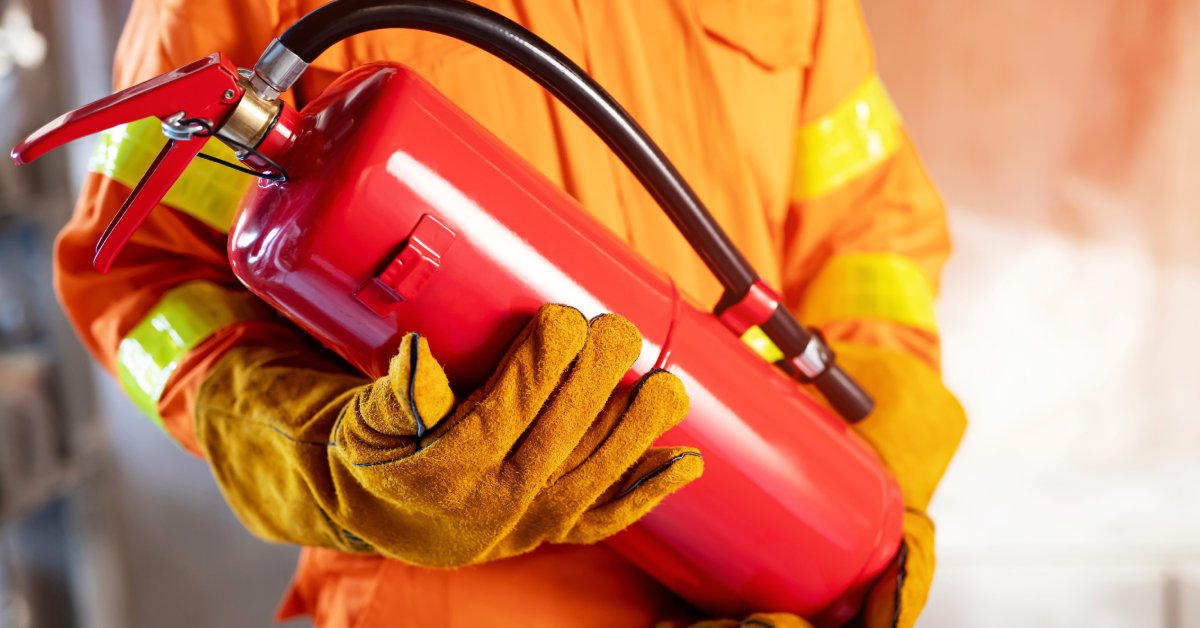
Everyday clothing materials can be the enemy during a fire incident. Cotton ignites quickly. Synthetic materials can melt and stick to skin, causing severe burns.
Flame-resistant clothing behaves differently. When exposed to flames, the fabric resists ignition and self-extinguishes quickly once the heat source dissipates. The fibers don’t support combustion; they form a protective char layer that insulates the skin from heat.
This critical difference dramatically reduces burn severity. Instead of second or third-degree burns that require extensive medical treatment, workers might experience minor injuries or walk away unharmed. Furthermore, the barrier effect gives workers precious seconds to escape dangerous situations or allows them to continue working safely in environments where brief flame exposure might occur.
Protection From Electrical Hazards
Arc flashes represent one of the most dangerous workplace hazards. These electrical explosions can reach temperatures of 35,000 degrees Fahrenheit—four times hotter than the sun’s surface! Standard clothing offers zero protection against such extreme conditions.
FR clothing designed for electrical work provides a crucial safety layer. These garments resist ignition from arc flashes and prevent the formation of burning droplets that could cause additional injuries. The fabric won’t continue burning after the arc flash ends, dramatically reducing injury severity.
Electrical workers face arc flash risks daily. Maintenance electricians, power line technicians, and industrial electrical workers all benefit from flame-resistant clothing. Even brief electrical work in commercial settings can present arc flash hazards that require appropriate protective clothing.
Should You Provide FR Clothing to Your Employees?
Now you know why hazardous workplaces must provide FR clothing, but how do you know if you qualify? The decision to implement a flame-resistant clothing program depends on several factors.
Consider Industry Standards
Oil and gas operations, chemical manufacturing, electrical utilities, and metal processing typically require these garments. If your industry commonly uses flame-resistant clothing, it’s a strong indication that you should, too. Review safety guidelines and regulations specific to your field to ensure compliance and worker safety.
Assess the Hazards in Your Workplace
Every workplace presents various hazards. Conduct a thorough assessment to identify potential flame and arc flash risks.
Document your findings, and identify which positions face potential exposure and under what circumstances. This assessment becomes the foundation for the flame-resistant clothing program and helps justify the investment.
Plan a Uniform Program
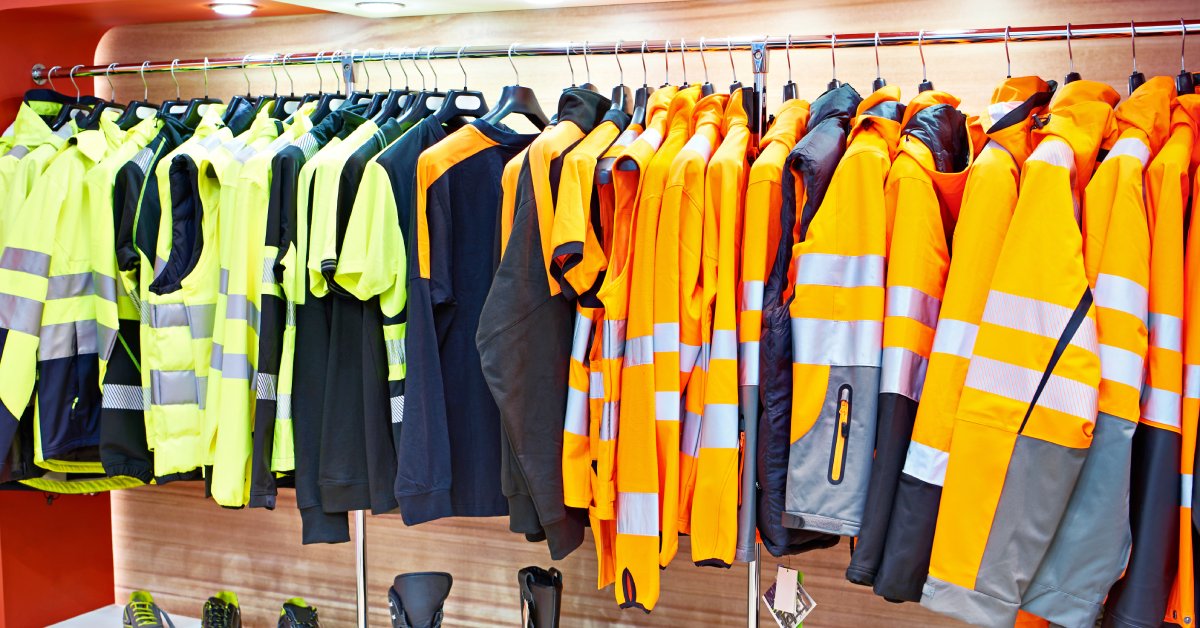
Determine which employees need protection, what types of garments are necessary, and how you’ll maintain the program over time.
Consider garment styles that suit your operations. Coveralls provide comprehensive protection but might be impractical for office-based workers who occasionally enter hazardous areas. FR pants for men and women, paired with suitable shirts, offer flexibility for workers who move between different environments throughout their shifts.
Budget for ongoing costs beyond initial purchases. FR clothing requires care to maintain its protective properties. Factor in replacement costs, laundering expenses, and program administration when budgeting.
How To Choose the Best FR Clothing
Selecting appropriate FR clothing requires understanding technical specifications and matching them to your workplace hazards. The right choice protects employees while providing comfort and durability.
Prioritize Quality Pieces
Flame-resistant clothing is an investment. Quality garments last longer, maintain their protective properties better, and provide superior comfort for workers who wear them daily.
Look for established manufacturers with proven track records. Read reviews from other companies in similar industries. Quality flame-resistant clothing should feel comfortable, fit properly, and withstand industrial washing requirements.
Shop Reputable Sources
Reputable suppliers offer certified products that meet safety standards. They provide proper documentation, care instructions, and ongoing support for your program. This expertise helps ensure your investment actually protects your employees.
At FR Outlet, we specialize in flame-resistant clothing and prioritize your safety needs. Our products meet industry standards.
Ensure Adequate Availability for All Employees
Stock sufficient quantities to ensure all affected employees have access to clean, properly fitting FR clothing. Plan for different sizes, seasonal variations, and replacement needs.
Consider backup garments for employees whose primary clothing becomes damaged or contaminated. Adequate inventory prevents situations where workers might want to continue working without comprehensive protection.