Fire is a complex chemical reaction, yet its behavior and sustenance can be boiled down to a simple model known as the fire tetrahedron. This model illustrates the four essential elements required for fire to ignite and sustain itself: heat, fuel, oxygen, and a chemical chain reaction. For safety professionals, understanding this model is paramount in designing measures to prevent fires or mitigate their impact. One of the most effective tools in this fight is flame-resistant clothing, which serves as an essential line of defense in industries where fire hazards are prevalent. Let’s explore the critical role of flame-resistant clothing in the fire tetrahedron and how it can protect lives.
Understanding the Fire Tetrahedron
The fire tetrahedron builds on the older fire triangle model by adding a fourth component, the chemical chain reaction. For a fire to start and continue burning, all four components need to be present and interact effectively. Heat acts as the ignition source, oxygen sustains combustion, fuel provides material for the fire to consume, and the chemical chain reaction ensures that the fire continues to propagate.
Removing any one of these components disrupts the cycle of combustion and extinguishes the fire. Modern fire safety strategies focus on interrupting one or more parts of this tetrahedron to control fires effectively.
The Purpose and Construction of Flame-Resistant Clothing
Flame-resistant (FR) clothing is specifically designed to protect workers in high-risk environments by minimizing burn injuries and the spread of flames. Unlike ordinary fabrics that can ignite, melt, or fuel a fire when exposed to heat, FR materials resist ignition and self-extinguish once the heat source is gone.
This quality ensures that the wearer is not exposed to prolonged burns. Flame-resistant clothing uses materials like aramids, modacrylics, or specially treated cotton, which undergo rigorous testing to ensure compliance with industry standards for fire resistance.
The garments are durable, allowing them to maintain their fire-resistant properties over time and through repeated use. FR clothing often combines fire resistance with comfort, ensuring that workers can move freely and perform their duties without impediment.
Flame-Resistant Clothing and Heat Mitigation
Heat, being a critical component of the fire tetrahedron, plays a significant role in ignition and injury severity. Flame-resistant clothing addresses this element by offering heat resistance. When exposed to flames or high temperatures, FR clothing either char or swell to form a protective barrier. This prevents extreme heat from reaching the skin, reducing the likelihood of burn injuries. The charring process is crucial because it diminishes the intensity and spread of heat, effectively preventing the escalation of thermal energy required to support combustion.
By acting as a heat barrier, FR clothing provides workers with a critical window of time to escape dangerous conditions and reduces the severity of injuries should an incident occur. This protective measure is particularly key in environments such as oil refineries, welding operations, and power plants, where exposure to heat and flames is a constant risk.
Restricting Oxygen Exposure With Flame-Resistant Fabric
Oxygen is equally indispensable in the fire tetrahedron for sustaining combustion. While FR clothing cannot eliminate environmental oxygen, its design significantly limits the chance of oxygen feeding a fire upon contact with the fabric. Flame-resistant materials are engineered to suppress ignition and halt flame spread, preventing garments from acting as an additional fuel source.
This is a particularly important distinction when compared to non-FR fabrics, which not only burn quickly but also contribute to the fire as they degrade. By reducing the interaction of flame, heat, and oxygen with the material, flame-resistant clothing helps contain the scope of fire and protects the wearer from further harm.
Eliminating Fuel Opportunities
Fuel, whether solid, liquid, or gas, is another key element of the fire tetrahedron. Flame-resistant clothing plays an essential role in ensuring that the fabric does not become an inadvertent source of fuel. Treated or inherently fire-resistant textiles are designed not to ignite readily, preventing the garment from contributing to the combustion process. These materials are engineered to self-extinguish after exposure to a flame or heat source.
The ability to eliminate clothing as fuel is paramount in industrial settings, where synthetic fabrics or untreated materials could exacerbate fire conditions. The use of FR clothing effectively reduces the risk of flash fires or large-scale burn incidents because the protective clothing ensures that neither the garment nor its fibers will become fuel for the fire.
Disrupting the Chemical Chain Reaction
One of the lesser-discussed advantages of flame-resistant clothing is its ability to indirectly interfere with the chemical chain reaction, the fourth critical component of the fire tetrahedron. Chemical chain reactions perpetuate the continuous process of combustion, where heat, oxygen, and fuel interact in a feedback loop to sustain the fire. By limiting or halting ignition, FR clothing disrupts this cycle effectively. As the fabric resists flames and heat, it starves the fire of one of its vital feedback elements, minimizing its reach and intensity.
This feature of FR clothing is particularly effective in conjunction with other fire safety measures such as the use of fire extinguishers, sprinklers, or automated fire suppression systems that are designed to neutralize the remaining components of the fire tetrahedron. Together, these tools create a multilayered approach to fire safety.
Industry Examples and Real-World Applications
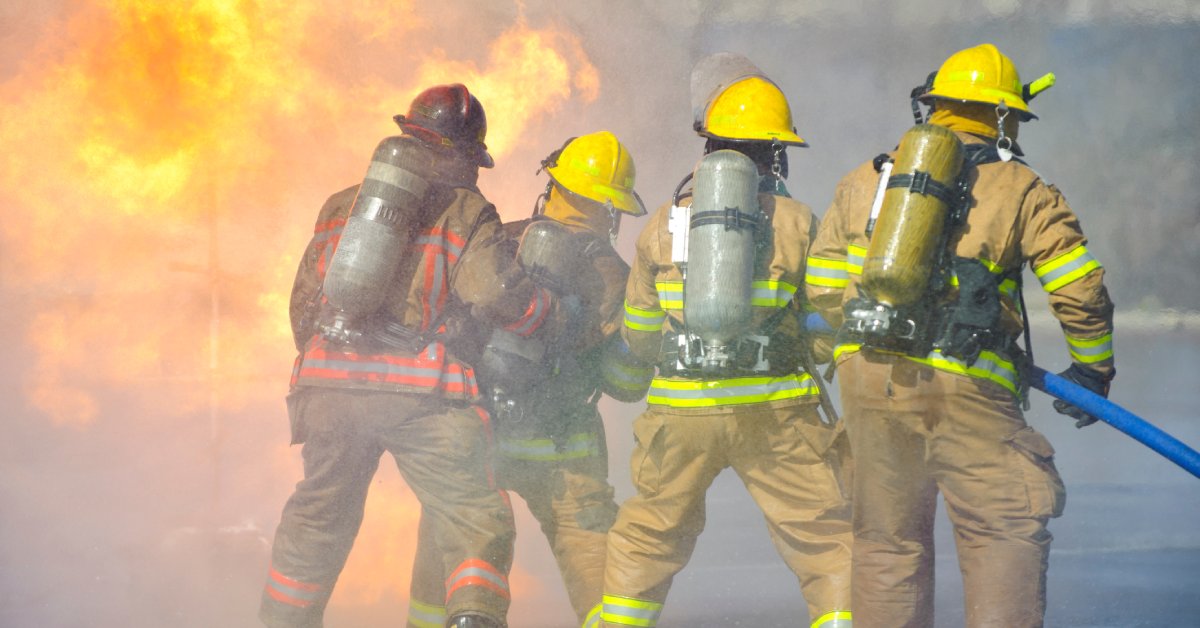
The importance of flame-resistant clothing is most visible in industries with high fire risk, including firefighting, oil and gas, and manufacturing. Firefighters rely heavily on multilayered turnout gear made from flame-resistant materials to combat high-temperature environments and open flames. Meanwhile, workers in oil refineries or chemical plants face risks of flash fires, where FR garments provide protection from instantaneous ignition and reduce the extent of injuries.
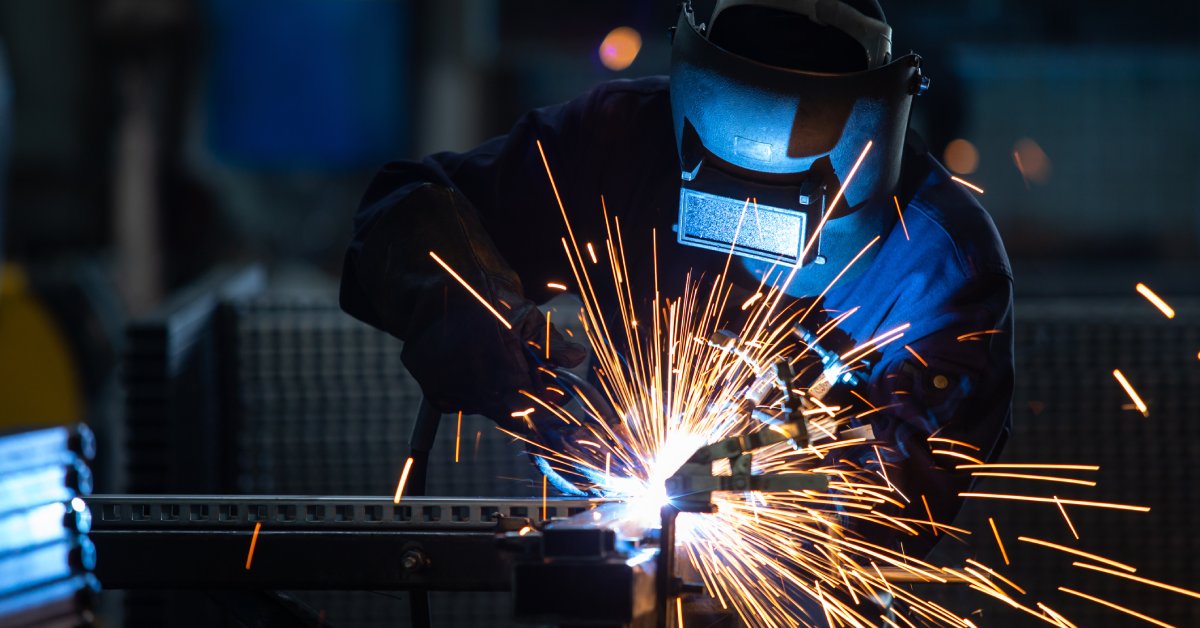
Welding professionals also benefit from flame-resistant clothing designed to shield against sparks and molten metal. Beyond these industries, flame-resistant uniforms are increasingly used in utility services and military applications, emphasizing their vital role across diverse fields. These real-world examples demonstrate how flame-resistant clothing serves as both a preventative and protective measure against fire hazards.
The Future of Flame-Resistant Clothing in Fire Prevention
Advancements in technology are constantly improving the performance and design of flame-resistant clothing. From materials that offer enhanced thermal protection to fabrics designed for better comfort and breathability, the future of flame-resistant clothing looks promising. Researchers continue to explore new ways to increase the durability and multifunctionality of FR materials, including adding chemical resistance and cutting-edge moisture-wicking properties without compromising fire protection.
Innovations such as smart clothing with integrated sensors to monitor heat exposure are becoming a focal point, allowing industries to merge workplace safety with modern technologies. These developments not only enhance worker protection but also reinforce the role of flame-resistant clothing in fire prevention strategies.
Know How To Protect Yourself
The role flame-resistant clothing plays in the fire tetrahedron is a crucial component of modern fire safety strategies. By addressing critical elements like heat, oxygen, and fuel, FR garments not only prevent combustion but also protect workers from severe injuries in fire-prone environments. Their effectiveness in various industries highlights their importance as a frontline defense against fire risks.
At FR Outlet, we’re proud to provide professionals with the high-quality flame-resistant clothing they need to safely do their jobs. Our flame-resistant shirts and other apparel will keep you safe from fire hazards on and off the job.