You have bags open on the floor. The checklist grows longer by the minute, and the clock keeps ticking. Packing for an offshore job isn’t just about grabbing your essentials. You need to prepare for safety, comfort, and success.
Among the many items vying for space in your duffel bag, one priority stands above the rest: your flame-resistant (FR) clothing. Why is this clothing so crucial? From safeguarding your health to helping you meet industry regulations, the right FR clothing is a must. Learn more about why that is ahead.
The Importance of FR Clothing for Oil and Gas Workers
When you step onto an offshore oil platform or into any high-risk worksite, you’re walking into an environment that demands constant vigilance. There’s no room for error when it comes to your safety gear. FR clothing is specifically designed for workers in hazardous industries where exposure to flash fires and extreme conditions is a daily possibility.
Compliance With Safety Standards
Governing bodies like the Occupational Safety and Health Administration (OSHA) enforce strict guidelines so workers can handle extreme conditions. Additionally, jobsites and employers commonly require compliance with specific industry standards, such as NFPA 2112 or ASTM F1506 certifications. These standards ensure that the clothing you wear can withstand the hazards you face, from flash fires to intense heat exposure.
Protection From Flash Fires
In the oil and gas industry, flash fires are one of the most dangerous threats workers face. These fires occur suddenly, often with little to no warning, and can spread rapidly across work areas.
Equipment malfunctions, chemical leaks, or combustible dust are just a few triggers for these high-intensity fires. In these dangerous moments, FR clothing is a lifesaving barrier between you and the flames.
Flame-resistant garments self-extinguish once the fire source is gone. This means that FR clothing can prevent the fire from continuing to burn through the fabric, reducing the severity of burns and giving you precious seconds to escape.
Without this protection, even a short period of exposure to direct flames can result in life-altering injuries. By consistently wearing FR clothing, you can prepare yourself for the unpredictable, giving yourself the best possible chance of walking away safely from a dangerous situation.
Minimizes Workplace Injuries
Burns from flash fires can lead to painful injuries, permanent scarring, or long periods of recovery that disrupt your life and livelihood. FR clothing lowers these risks and reduces the severity of injuries caused by heat and flames.
By wearing high-quality FR garments, you lower the likelihood of secondary injuries, such as burns from melting fabrics or clothing that catches fire. This protection allows you to focus on your tasks without distraction, knowing your gear has you covered. FR clothing gives you peace of mind so you can perform your job confidently.
Tips for Packing for an Offshore Project
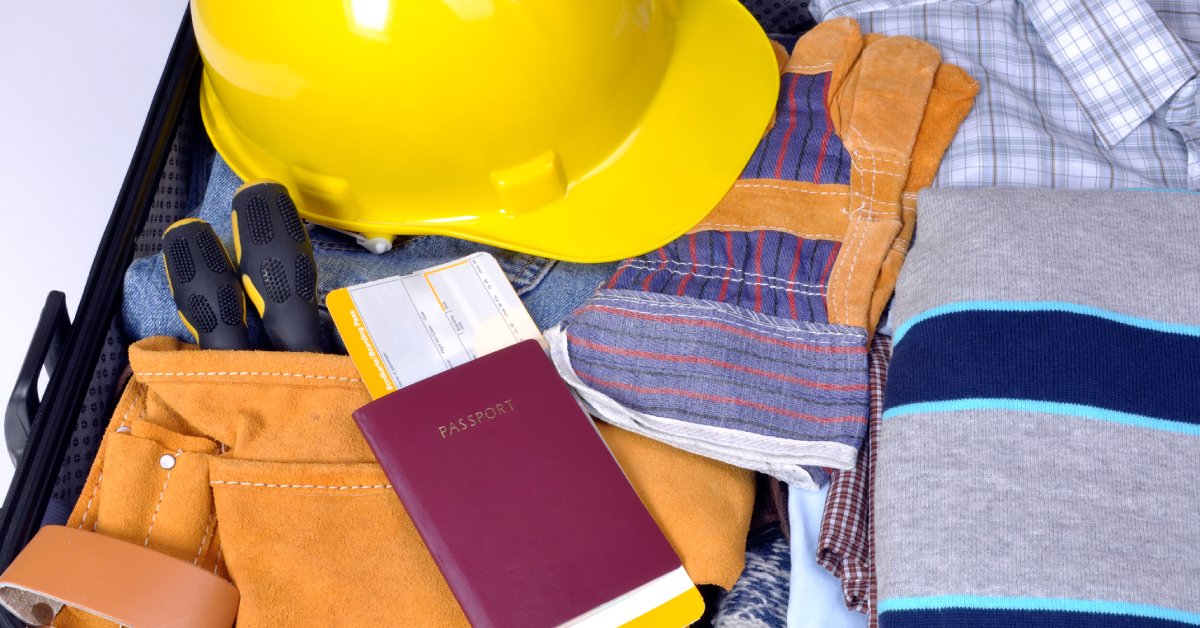
Packing for an offshore job requires more than remembering your FR clothing. You have limited space, so choosing what to bring requires thoughtful planning. Stick to the essentials while preparing for expected and unexpected challenges.
Bring Your Other PPE
Besides your FR clothing, personal protective equipment (PPE) like hard hats, goggles, and gloves belongs in your gear bag. Double-check the jobsite requirements, pack accordingly, and inspect items for damage before sealing your bag. Your PPE and FR wear go hand in hand, creating the protective setup you need for every shift.
Leave Room for Personal Essentials
Remember that life offshore means limited access to creature comforts. Save room for a few personal items that can make your downtime relaxing, like favorite snacks, personal toiletries, or a good book. That said, balance is everything, and your clothes for safety and work should always take precedence over optional extras.
Avoid Going Over Weight Limits
Overpacking leads to stress, delays, and additional costs. You only need the items required for your day-to-day work, along with a small stash of extras for emergencies. Keep your packing efficient, stay aware of your weight limit, and remember that every unnecessary pound could make a difference when lifting and transporting your bag.
Dress for Safety and Success Every Day
Packing for an offshore job is just the first step. You need to remember your FR clothing every single day on the jobsite. Dressing intentionally means more comfort, better reliability, and greater protection while on the job.
Get the Right Garments
From coveralls to jackets, pants, and shirts, selecting appropriately rated and certified garments ensures you’re meeting jobsite standards and protecting yourself fully. Invest in high-quality FR gear for excellent durability. At FR Outlet, we focus on providing a range of garments specifically tailored to oil and gas workers.
Layer Your FR Clothing
Offshore conditions can change rapidly, and being unprepared is never an option. That’s why layering your FR clothing is a critical strategy for staying safe and comfortable throughout the day.
Lightweight FR bibs provide excellent mobility and protection in mild conditions, while heavy-duty FR jackets shield you from wind, rain, and colder temperatures. On cooler mornings or when you experience an unexpected drop in temperature, an FR sweatshirt or thermal liner can be a practical addition to your outfit. By layering properly, you’ll stay warm, dry, and protected no matter what the weather decides to do.
Don’t Forget Your Accessories
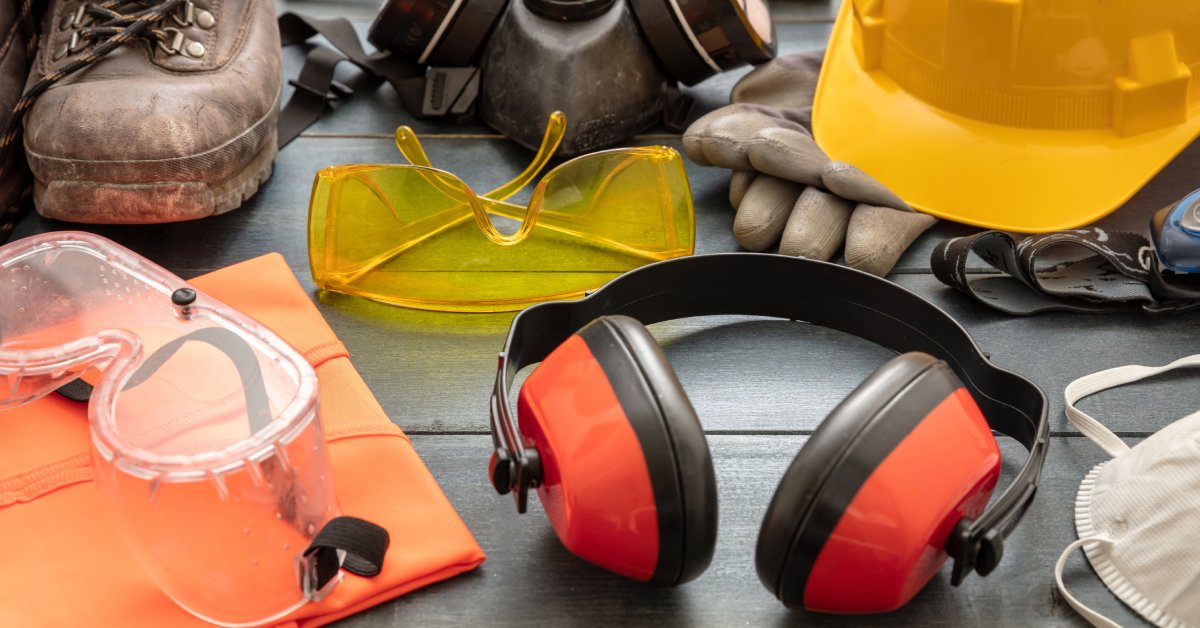
The small details in your outfit can play a big role in your overall safety. Protective accessories like gloves, steel-toed boots, and hard hats with secure chin straps are a must. These items provide essential protection that complements your FR clothing, creating a comprehensive safety system.
Additionally, for extreme temperatures, consider FR balaclavas, face masks, or even FR-rated thermal socks to shield yourself from cold winds or excessive heat. Accessories like these enhance your comfort and help you fully prepare for the specific challenges of your work environment.
Don’t Skip a Single Day
Choosing to skip FR clothing for even one shift can undo all the preparation and planning you’ve made. The unpredictable nature of worksites means you never know when an accident might happen, but dressing for safety every day means you’re always ready.
Don’t risk injury by cutting corners, even on days when the weather seems mild or conditions appear stable. Each morning, take a few extra minutes to properly equip yourself with every layer and accessory you need.