Flame-resistant (FR) clothing serves as an essential layer of protection in situations with fire and heat hazards. Professionals in construction, electrical work, oil and gas, and firefighting rely on these garments to reduce risks and ensure personal safety.
However, despite their widespread use, numerous misconceptions surround flame-resistant clothing, particularly regarding its toxicity. Misinformation can influence buying decisions, create unnecessary safety concerns, and spread unfounded fears. Let’s address these misconceptions about flame-resistant clothing toxicity and provide accurate, science-based information about FR clothing and its safety.
What Is Flame-Resistant Clothing?
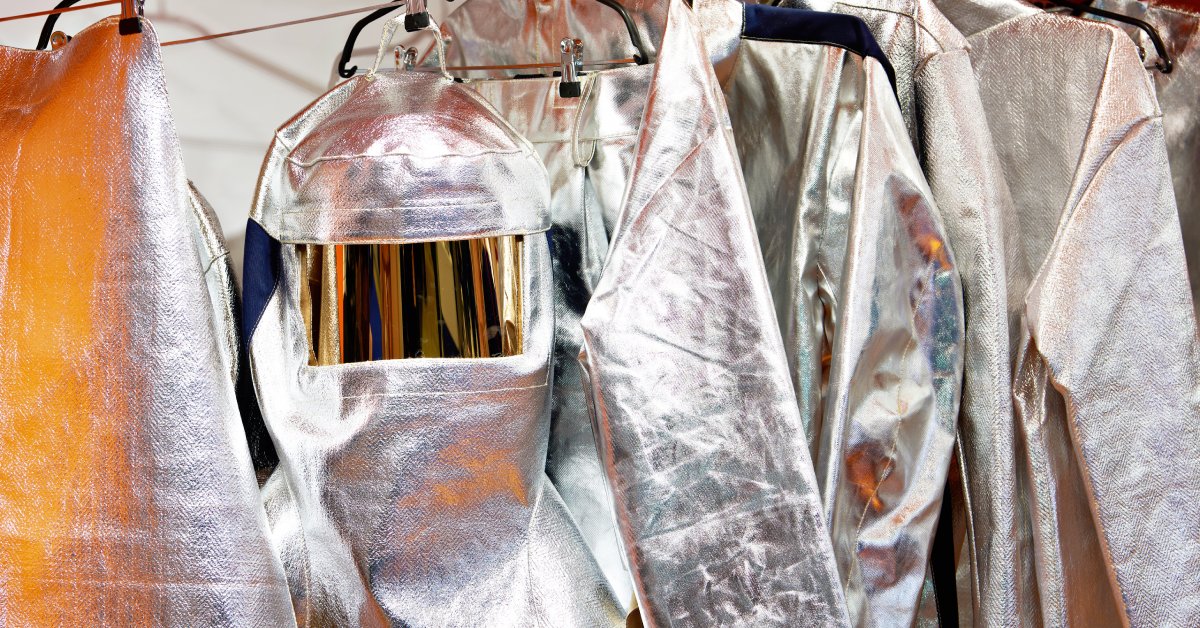
Before addressing the misconceptions, it’s essential to understand what flame-resistant clothing is and how it works. FR clothing is made from specially treated fabrics designed to resist ignition when exposed to flames. These garments self-extinguish flames once removed from a heat source, greatly reducing the risk of burns and injuries. Materials used in flame-resistant fabrics include treated natural fibers, from cotton to advanced synthetic blends, like Nomex or Kevlar.
Contrary to popular belief, FR clothing is not a magic shield that prevents all burns; the design minimizes the severity of injuries and provides wearers with seconds to escape hazardous situations. Given the advanced technology used in producing these garments, concerns about toxicity arise, but are they justified?

Misconception 1: All Flame-Resistant Clothing Contains Toxic Chemicals
One prevailing myth is that all FR clothing has harmful, toxic chemicals to make it flame-resistant. While it is true that some flame-retardant treatments involve chemical applications, not all FR clothing relies on the same treatment methods. For example, inherent FR fabrics are constructed from fibers with natural resistance to flames, meaning they do not require additional treatments to achieve their protective properties.
The chemicals used in treated FR fabrics typically undergo extensive testing to ensure they meet safety standards set by regulatory agencies. These tests evaluate the garments for toxicity, skin irritation, and environmental impact. Manufacturers must adhere to strict guidelines to guarantee that the final product is safe for daily wear.
Misconception 2: FR Clothing Causes Skin Irritation or Allergic Reactions
Concerns about skin irritation or allergic reactions are another common misconception surrounding flame-resistant clothing. Some individuals believe that prolonged contact with treated fabrics may lead to rashes, discomfort, or even long-term health issues. However, reputable manufacturers meticulously test their products for skin compatibility.
The majority of FR clothing is as comfortable and nonirritating as conventional garments. For individuals with sensitive skin, many companies offer garments made from soft, breathable materials that prioritize comfort without compromising safety. It’s also worth noting that fabric safety certifications, such as OEKO-TEX® Standard 100, help guarantee the absence of harmful substances in finished garments.
Misconception 3: Flame-Resistant Clothing is Bad for the Environment
Environmental concerns are increasingly prominent when discussing the production and treatment of FR fabrics. Some critics argue that the chemicals used to enhance flame resistance are damaging to ecosystems during manufacturing and after disposal. While these concerns are valid for any industrial process, the flame-resistant clothing industry has made significant strides in adopting sustainable practices.
Many manufacturers are working to develop environmentally friendly flame-resistant solutions by reducing water, energy, and chemical waste in production. Additionally, inherent FR materials, those that do not require chemical treatment, serve as safer, eco-friendly alternatives. Consumers can also extend the life of their FR garments by following proper care instructions, reducing the need for frequent replacements, and contributing to sustainability.
Misconception 4: FR Clothing Emits Toxic Fumes Under Fire
Perhaps one of the most alarming misconceptions is the idea that flame-resistant clothing emits toxic fumes when exposed to fire. This belief may discourage workers from wearing FR garments due to fears of inhalation risks in hazardous environments. However, FR fabrics reduce harm under fire conditions, which includes minimizing the release of harmful fumes.
When synthetic fabrics, like polyester, burn, they can melt and release dangerous gases. Flame-resistant materials resist combustion and self-extinguish without producing the same level of toxic byproducts. The emissions from properly manufactured FR clothing are generally lower than those produced by regular fabrics, providing an additional layer of protection for wearers.
Misconception 5: FR Clothing Loses Its Effectiveness After Washing
Another widespread myth is that the flame resistance of FR garments diminishes after a certain number of washes, leaving wearers vulnerable over time. This misconception stems from confusion about the differences between treated and inherent FR fabrics.
For treated fabrics, the flame-resistant properties are added to the material during production. While it’s crucial to follow specific washing instructions to maintain these fabrics’ performance, high-quality treated FR clothing retains its protective qualities throughout its useful life. On the other hand, inherent FR fabrics provide built-in flame resistance that does not fade with washing or wear, offering even greater long-term reliability.
The Importance of Educating Consumers
The misconceptions surrounding flame-resistant clothing toxicity underscore the importance of consumer education. Misunderstandings about the materials, treatments, and safety of these garments can lead individuals to avoid using critical protective gear, potentially placing themselves at greater risk in hazardous environments. Employers and safety organizations must stay informed about industry standards and communicate accurate information to their teams.
Addressing these myths also helps combat the stigma surrounding FR clothing, encouraging its adoption across industries. By building trust in the products and their manufacturers, more workers can access the life-saving benefits of flame-resistant garments.
Wear FR Clothing With Confidence
Flame-resistant clothing is a vital safety tool for professionals working in hazardous environments, but misconceptions about its toxicity can create unnecessary concerns. It’s important to separate fact from fiction by relying on science-based evidence and understanding the rigorous safety standards these garments meet. Whether addressing concerns about chemical treatments, environmental impact, or durability, the truth reveals that FR clothing is a safe, effective, and essential investment in workplace safety. By addressing these myths and providing transparency, the industry empowers consumers to make informed decisions, prioritizing both their safety and peace of mind.
Invest in your safety and well-being today with high-quality FR coats. Don’t compromise when it comes to protecting yourself in hazardous environments. Explore our wide selection of durable and comfortable flame-resistant clothing, designed to meet rigorous safety standards while ensuring you stay protected on the job.