When you rely on flame-resistant clothing to keep you safe, making the right call on repairs, adjustments, and features will protect you from serious threats. Mending and making alterations for flame-resistant clothing won’t compromise its protective properties when done correctly. By understanding how flame-resistant garments work and how to make purposeful changes, you can maintain safe and effective gear.
Understand the Materials
Before you pick up a needle or plan modifications, take a moment to understand the materials in your flame-resistant (FR) clothing. Not all garments are the same, and tampering with fabrics or adding incompatible features will reduce their protective qualities. Learn about the types of materials and treatments used to preserve their performance.
Flame-Resistant Fabrics
FR clothing isn’t just regular fabric with a fancy label. It’s made from inherently flame-resistant fibers like Nomex or blends with Kevlar. These materials naturally resist ignition without the need for chemical enhancements.
Understanding the origins of FR fabrics helps you make smart calls when altering or repairing them. For example, working with naturally flame-resistant fibers offers more flexibility in making changes without accidental interference with safety features.
That said, you’ll need to stay vigilant. Choosing incompatible threads or fabrics during repairs can introduce weak points.
Chemical Treatments
Some FR garments, like those made of cotton, achieve their protective properties through chemical treatments rather than inherently flame-resistant materials. If this sounds like something in your wardrobe, understand that improperly altering or repairing chemically-treated fabrics can diminish or completely strip away their FR properties.
Be extra cautious if you decide to make adjustments. Make sure that the repair methods you use don’t involve harsh cleaning agents, heat that exceeds the material’s specific temperature levels, or include fabric with untreated material.
Tailor the Garments To Fit Your Body

Wearing FR clothing that doesn’t fit right is uncomfortable and potentially unsafe. Loose clothing is more likely to snag on sharp edges and machinery, while overly tight garments restrict movement and may leave the skin exposed. Following these processes for mending and alterations for flame-resistant clothing will help you feel better and stay safe on the job.
Hemming FR Pants
Ever tripped over the excess length of your FR pants mid-shift? It’s embarrassing, inconvenient, and dangerous.
Hemming the trousers at your ankles will minimize trip hazards while covering vulnerable areas of the body. When hemming, stick to FR-rated thread, and don’t introduce any stitching patterns that could weaken the original garment construction.
Keep in mind any reflective stripes or reinforced sections that are part of the pants’ safety design.
Adjusting Shirts and Jackets
Oversized FR shirts and jackets might feel cozy at first, but they’ll leave you fumbling when you snag them on equipment or exposed surfaces. Slimming the fit, shortening sleeves, or tailoring the body can mean the difference between clothing that works and poses a hindrance.
Again, use thread and materials approved for FR standards to handle adjustments.
Add Custom Features to the Clothes
FR clothing doesn’t have to be dull or standardized. Adding custom features can bring enhanced functionality to the garments. By carefully choosing additions that don’t interfere with the flame-resistant properties, you can create workwear that reflects your style and needs while keeping safety a top priority.
Embroidered Designs
Looking to showcase your name or company logo proudly while maintaining full protection? Embroidered designs are a great way to add personality and branding to your workwear. Logos, names, and other designs can give your gear a professional and personalized look, helping you stand out without compromising safety.
When considering embroidery, it’s crucial to work with a professional embroiderer familiar with flame-resistant garments. Ask them about using flame-resistant thread and techniques to accommodate the safety standards of FR clothing. Thoughtful personal touches like embroidery help build your business’s identity, boost morale, and adhere to all workplace safety requirements.
Pockets and Other Additions
Practical enhancements like extra pockets and tool loops can positive impact workday efficiency. Adding more storage space for pens, measuring tapes, and small tools can transform your FR workwear into multifunctional, highly practical garments that support a variety of tasks.
However, when modifying FR clothing, prioritize materials and techniques that preserve the garment’s protective qualities. Make any new pockets or tool loops from flame-resistant materials. Then, sew the pieces onto the clothes securely without causing any overlapping on the protective seams.
Make Extra Repairs, As Needed
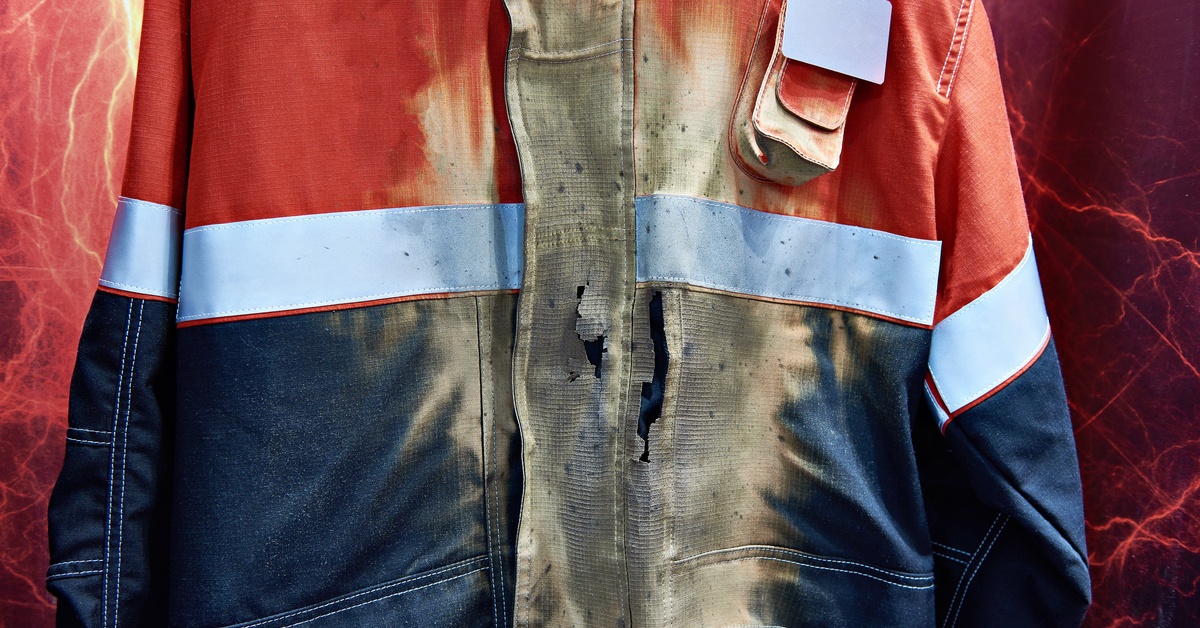
No matter how careful you are at work or when cleaning your FR clothing, wear and tear are inevitable with frequent use. Small repairs can extend the lifespan of your garments without compromising their protective properties. Perform regular maintenance and fix issues promptly to keep your clothing dependable no matter the conditions.
Small Holes and Tears
Use flame-resistant patches to cover small holes and maintain the garment’s protective barrier. Alternatively, sew tears with flame-resistant stitching to avoid introducing materials that compromise the clothing’s integrity. Inspect your clothing frequently for minor damage and address problems immediately to prevent escalation and keep your gear reliable when you need it most.
Stitch Strong Seams
Weakened seams commonly lead to tears, reducing the effectiveness of the clothing. Strengthen weakened seams with flame-resistant thread to maintain the durability and integrity of your FR garments.
Inspect seams often, especially in high-stress areas like underarms, knees, and shoulders. Reinforce these areas before failures occur, so your FR clothing performs as intended in critical situations.
Damaged Fasteners
Snaps, buttons, and zippers are essential for FR clothing functionality, but they experience significant wear over time. Replace broken or damaged fasteners with FR-rated options to maintain the garment’s protective properties.
Avoid fasteners that aren’t flame resistant. These fasteners are more likely to melt or fail under heat exposure, putting your safety at risk.
Know When It’s Time To Replace Your Gear
Knowing when to call it quits on a piece of workwear is essential for your safety. If multiple areas of fabric lose their FR properties or if repairs seem futile, invest in high-quality replacements.
At FR Outlet, we offer a wide selection of flame-resistant work shirts, pants, and more. Restocking your wardrobe with garments you can trust keeps you safe from whatever challenges the job throws your way.