Welders, electricians, and other people in the trades often have to work outside in wet environments. Even if it’s raining, you still need to wear flame-resistant (FR) clothing to keep you safe from sparks, flames, and other fire hazards. When you work in an industrial field, it’s important to know how to choose the right FR rain gear to keep you dry. Here are some tips to help you get started.
Consider Your Different Garment Options
Your work needs may change daily. One day you might just want a light jacket, the next you need fuller coverage from a bib overall. Explore all your options to build a versatile work wardrobe that keeps you protected and ready for anything.
Rain Jackets
A lightweight FR jacket works perfectly for quick outdoor tasks or when you need easy on-and-off capability throughout your shift. These jackets pair well with FR pants, creating a complete protective system without the bulk of a full jumpsuit.
Quality FR rain jackets feature storm flaps over zippers, adjustable cuffs, and high collars that seal out wind-driven rain. Look for jackets with multiple pockets that keep your tools and personal items secure and dry. The best designs offer ventilation options that prevent overheating during physically demanding work.
Pants
FR rain pants protect your lower body and legs from moisture while maintaining the flame-resistant properties you need. Quality rain pants feature reinforced knees, an adjustable waistband, and leg openings that accommodate your work boots. Side zippers or snaps make them easy to put on over your regular work clothes.
Bib Overalls or Rain Suits
Bib overalls offer excellent torso protection while keeping your core dry and warm. Full suits create a sealed environment that keeps moisture out completely. These comprehensive options work best for workers who spend entire shifts outdoors or in areas where weather protection is critical for productivity.
Ensure Adequate Flame Resistance
Look for rain gear that meets or exceeds NFPA 70E, NFPA 2112, or ASTM standards relevant to your industry. These certifications guarantee that the garment provides reliable protection. Check the arc rating to ensure compatibility with your workplace’s hazard risk category requirements. Quality FR rain gear undergoes rigorous testing to verify that waterproof coatings and treatments don’t compromise flame-resistant properties.
Check for Waterproofing
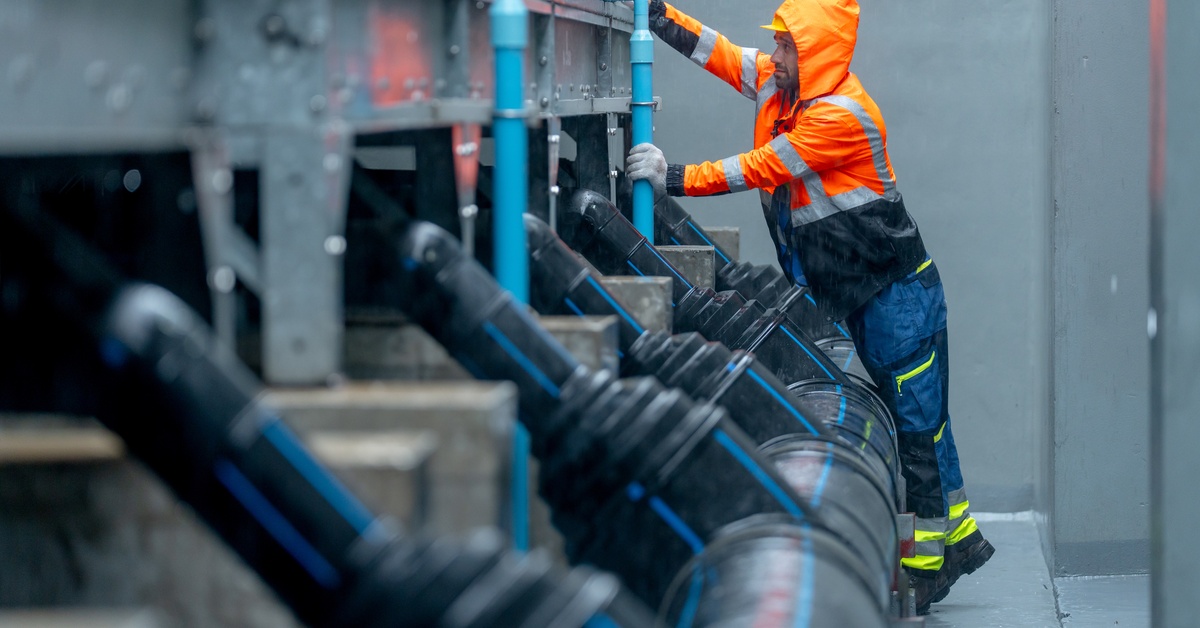
Waterproof gear is essential for staying dry in heavy rain, snow, or wet conditions. Look for materials that keep moisture out while still being breathable for comfort. Well-made gear will have sealed seams to block water from sneaking through the stitching. This extra detail helps keep you dry in challenging weather.
Look for High-Visibility Options
Rainy conditions reduce visibility significantly, making high-visibility features essential for worker safety. Bright colors and reflective materials help supervisors, equipment operators, and coworkers spot you easily through rain, fog, and low-light conditions. ANSI Class 2 or Class 3 high-visibility features provide optimal visibility in challenging weather.
The best FR rain gear combines flame resistance, waterproofing, and high-visibility features in a single garment. These multifunction pieces simplify your gear selection while ensuring compliance with multiple safety requirements.
See if the Garments Are Insulated
Wet conditions accelerate heat loss from your body, making proper insulation a safety issue as well as a comfort consideration. Cold, wet workers make more mistakes and face increased injury risks. When trying to choose the right FR rain gear to keep you dry, prioritize quality insulation that maintains its warming properties when damp.
Prioritize Breathability
Waterproof doesn’t have to mean stuffy and uncomfortable. Modern FR rain gear uses breathable membranes and ventilation systems to let moisture vapor from your body escape while keeping rain out.
Breathable fabrics prevent that clammy, overheated feeling that may build up inside your gear. Staying comfortable directly impacts your productivity and safety. If you overheat in your protective gear, you might be tempted to remove it, exposing yourself to unnecessary risks.
Look for gear with pit zips, back vents, or other ventilation features that let you adjust airflow. These details help you stay comfortable regardless of your activity level or the weather conditions.
Determine the Material Durability
Durable gear lasts longer and helps you stay safe on the job. Cheaper gear might save you a buck upfront, but it wears out fast and ends up costing you more in the long run. Get something that’ll go the distance with you.
Inspect Seams
Strong seams are key to keeping your gear durable and waterproof. Look for double-stitched or reinforced seams since they’re better at handling the wear and tear of regular use. Also, check for bar tacking at stress points such as pocket corners or zipper ends.
Check Closures and Fasteners
When checking metal components, make sure they can resist corrosion from salt, chemicals, and moisture. Plastic parts need to stay strong and flexible even in extreme temperatures and under UV exposure. Pay attention to how these fasteners operate. They should work smoothly for the entire life of the garment.
Make Sure It’s a Quality Material
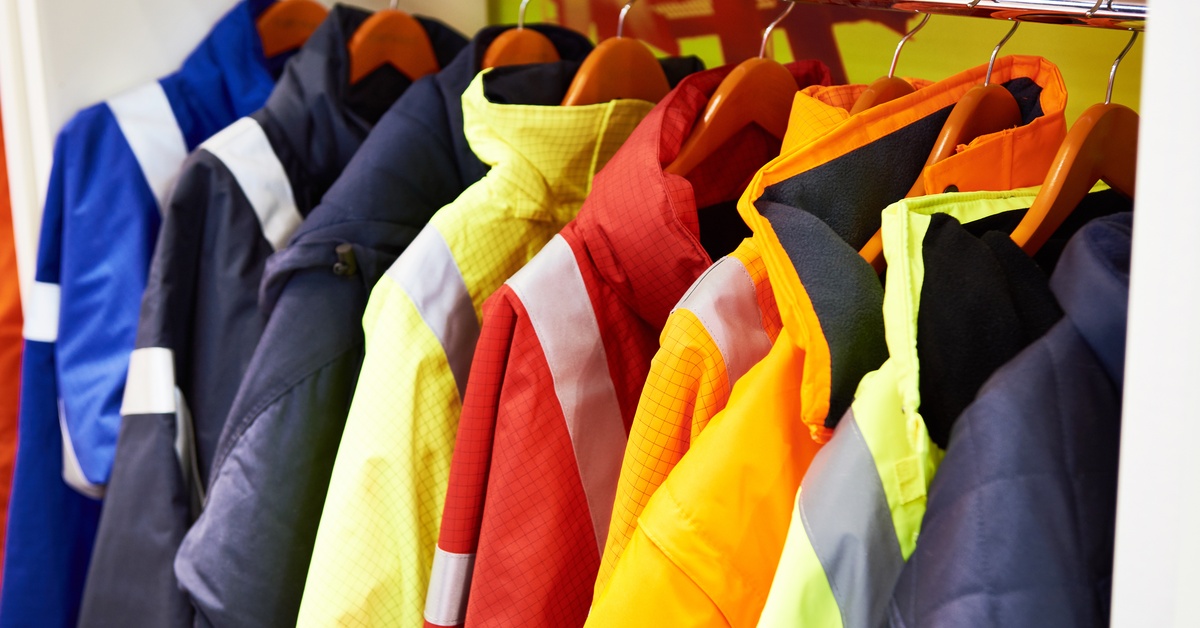
High-denier fabrics are great at resisting tears and punctures, but heavier doesn’t always mean better. You want a fabric that balances durability with comfort and flexibility, so it works for you in real-world conditions.
Look for rain gear made from materials specifically engineered for protective clothing. These fabrics are thoroughly tested to ensure they hold up when you need them most. Steer clear of generic or repurposed materials that might not offer consistent protection.
Choose With Your Comfort in Mind
Your FR rain gear should be easy to wear and move in. When your gear feels right, you’re more likely to wear it consistently throughout the workday, staying safe and focused on the job.
Loose gear catches on equipment and creates hazards, while tight gear restricts movement and causes fatigue. Your rain gear should accommodate your regular work clothes without binding or restricting natural movement.
Test your range of motion by simulating work activities while wearing potential gear purchases. Reach overhead, crouch down, and twist your torso to verify that the gear moves naturally with your body.