Flame-resistant (FR) coatings are essential for turning your outerwear into a protective layer against heat and fire. They can make the difference between a minor incident and a serious injury in high-risk environments. With these coatings, you get critical protection from the unpredictable dangers of fire. Here’s how they keep you safe while maintaining functionality.
Benefits of Flame-Resistant Coatings
Understanding how flame-resistant coatings protect you helps you make better decisions about your safety gear. These coatings offer three main protective benefits for workers exposed to fire hazards.
Resists Ignition
Regular cotton ignites at around 400 degrees Fahrenheit, but FR-treated fabric requires much higher temperatures to catch fire. This extra time gives you precious seconds to react and remove yourself from danger.
The coating works by absorbing heat that would normally ignite plain fabrics instantly. FR-treated material resists catching fire when exposed to direct heat sources such as welding sparks, electrical arcs, or open flames from equipment malfunctions. This resistance is crucial when you work around potential ignition sources daily.
Self-Extinguishes
Even when FR-coated fabric does ignite under extreme conditions, it can stop burning once you remove the ignition source. Regular clothing continues burning even after you move away from the initial flame, but FR clothing has the ability to extinguish itself.
This self-extinguishing property prevents small incidents from becoming major emergencies. For example, if a spark ignites a small area of your sleeve, the flame dies out quickly instead of spreading across your entire arm. The coating helps break the chain reaction that keeps normal fires burning.
Blocks Heat
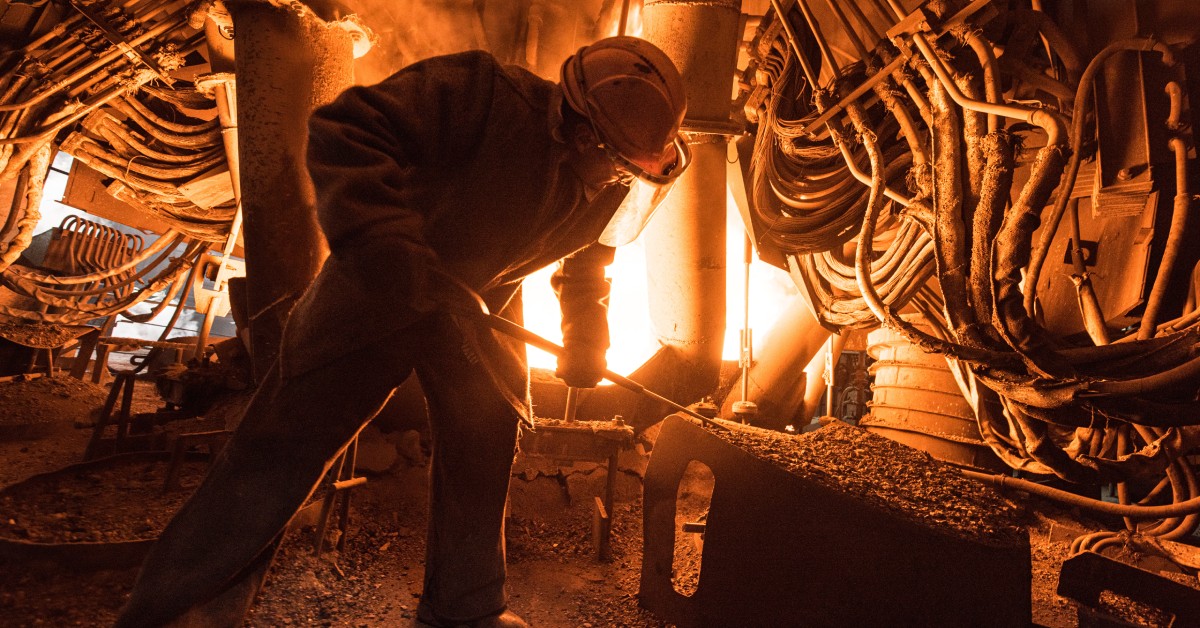
Another way flame-resistant coatings protect outerwear is by reducing heat transfer to your skin. This thermal protection prevents burns even when you’re exposed to radiant heat from nearby fires or hot equipment.
Heat blocking becomes especially important when you can’t immediately escape a high-temperature environment. The extra protection buys you time to shut down equipment, help coworkers, or navigate to safety.
When You Need Flame-Resistant Outerwear
Many workers underestimate their fire risk until they face a dangerous situation firsthand. Determining whether you need FR outerwear depends on your work environment and the specific hazards it exposes you to.
Industries With Higher Flame Risks
Workers in certain industries face unique and heightened risks daily, making flame-resistant protection essential for their safety.
In the oil and gas industry, workers face exposure to hydrocarbon vapors, high-pressure equipment, and ignition sources, creating ideal conditions for flash fires. Electrical workers face similar dangers with the potential for arc flash incidents.
Chemical plant operators handle volatile substances that can ignite from static electricity or minor equipment failures, while welders work with molten metal and open flames that pose constant ignition risks. Mining operations also carry significant hazards with explosive dust and gases.
Firefighters and emergency responders regularly enter environments where ordinary clothing would melt or ignite instantly. Similarly, manufacturing workers operating near furnaces, kilns, or heat-treating equipment are constantly exposed to temperatures that exceed fabric ignition points.
Severe Weather
Cold weather adds complexity to fire safety because you need multiple layers of protection. Standard winter gear often uses synthetic materials that melt when exposed to heat, causing severe burns from fabrics that stick to your skin. FR outerwear solves this problem by providing the insulation and wind resistance you need for outdoor work, plus the fire protection required for your job hazards.
Waterproof FR outerwear also keeps you dry without compromising flame resistance. So, you’ll still be safe in the event of a flash fire when it’s raining. The combination of weather protection and flame resistance eliminates the dangerous choice between staying warm and staying safe. You don’t have to sacrifice fire protection to work comfortably in harsh conditions.
How To Choose the Best FR Outerwear
Flame-resistant coatings protect outerwear, but you also need to consider fit and style when shopping for new workwear. Making the right choice ensures you get maximum safety without compromising comfort or durability. Check for all of these factors when looking at FR outerwear.
Check Safety Standards
Look for garments that meet or exceed NFPA 2112 standards for flash fire protection or NFPA 70E standards for electrical arc protection. These certifications verify that the clothing has passed rigorous testing for flame resistance, heat transfer, and durability.
ATPV (arc thermal performance value) ratings tell you exactly how much electrical arc energy the fabric can withstand before causing second-degree burns. Higher ATPV numbers mean better protection from electrical hazards.
HRC (hazard risk category) classifications help you match clothing to your specific workplace risks. Category 1 provides basic protection, while Category 4 offers maximum protection for the highest-risk environments.
Consider Different Weather Conditions

Quality FR outerwear keeps you protected and comfortable in any conditions by combining flame resistance with essential weatherproof features for outdoor work. Waterproof membranes ensure you stay dry while maintaining breathability, so you remain comfortable even during intense physical labor.
Windproof construction prevents heat loss without adding unnecessary bulk, allowing for a full range of movement. Depending on your needs, choose insulation options ranging from lightweight protection for mild weather to heavy-duty warmth for extreme cold.
To adapt to changing environments, ventilation systems such as pit zips, back vents, or removable liners help regulate body temperature as you transition between indoor and outdoor settings.
Emphasize Durability
FR clothing faces constant stress from industrial laundering, daily wear, and tough environments. To ensure your gear stands the test of time, choose outerwear with reinforced stress points at key areas such as shoulders, elbows, and pockets.
Don’t overlook the importance of quality hardware. Durable zippers, snaps, and closures withstand repeated use without failing, ensuring gaps don’t expose you to heat or flames.
Get a Comfortable Fit
FR outerwear should allow full range of motion for climbing, reaching, and operating equipment safely. Try on FR outerwear while wearing your typical work clothing and safety equipment. What feels comfortable in street clothes might bind or restrict when you add tool belts, harnesses, and other gear.
Buy From a Trusted Supplier
When it comes to flame-resistant clothing, quality matters most. At FR Outlet, we provide top-quality garments designed for high-risk work environments. Browse our wide selection of FR face covers and other outwear today to get the protection you need.