You reach for your work gear every morning, trusting it to protect you from the hazards that come with your job. But have you ever stopped to think about what makes that fabric keep you safe? You hear two terms a lot in safety discussions: fire retardant and flame resistant. Most people assume these terms mean the same thing, but they don’t.
Understanding the distinction between these two types of protective materials can be invaluable when facing real-world fire hazards. Each type offers unique advantages and limitations that directly impact your safety, comfort, and wallet. Let’s break down what sets them apart so you can make the right choice for your specific work environment.
Production: How These Materials Come to Life
The production of these materials involves two main approaches: treating fabrics with fire-retardant chemicals or using inherently flame-resistant fibers. Each method offers unique benefits and characteristics, ensuring the materials meet specific safety standards and performance needs.
Fire-Retardant Clothing
Cotton, polyester, or blended materials undergo treatment with specialized chemicals that alter their response to fire. Manufacturers apply these fire-retardant chemicals through various processes, including spraying, dipping, or padding the fabric until it absorbs the protective compounds.
The chemicals used in fire-retardant treatments include phosphorus compounds, halogenated compounds, and nitrogen-based additives. These treatments penetrate the fibers and create a barrier that interrupts the combustion process. Once applied, the fabric gains protective properties, but those properties depend entirely on the chemical treatment remaining intact.
Flame-Resistant Materials
Flame-resistant fabrics possess inherent protective properties woven right into their DNA. Materials like aramid fibers, modacrylic, and certain treated wool naturally resist ignition and flame spread. These protective qualities exist throughout the entire structure of the material, not just on the surface.
Purpose: When To Choose Each Type
When it comes to fire protection, choosing the right material depends on your specific needs and environment. Fire-retardant and flame-resistant materials each serve distinct purposes, and understanding their strengths and limitations will help you make the best choice.
Fire-Retardant Clothing
Chemical treatments can wear off over time, particularly with repeated washing or exposure to harsh conditions. This makes the garment unsuitable for daily use in high-risk environments where long-term, consistent protection is critical. However, if you need to make clothing suitable quickly, this is an option.
Flame-Resistant Materials
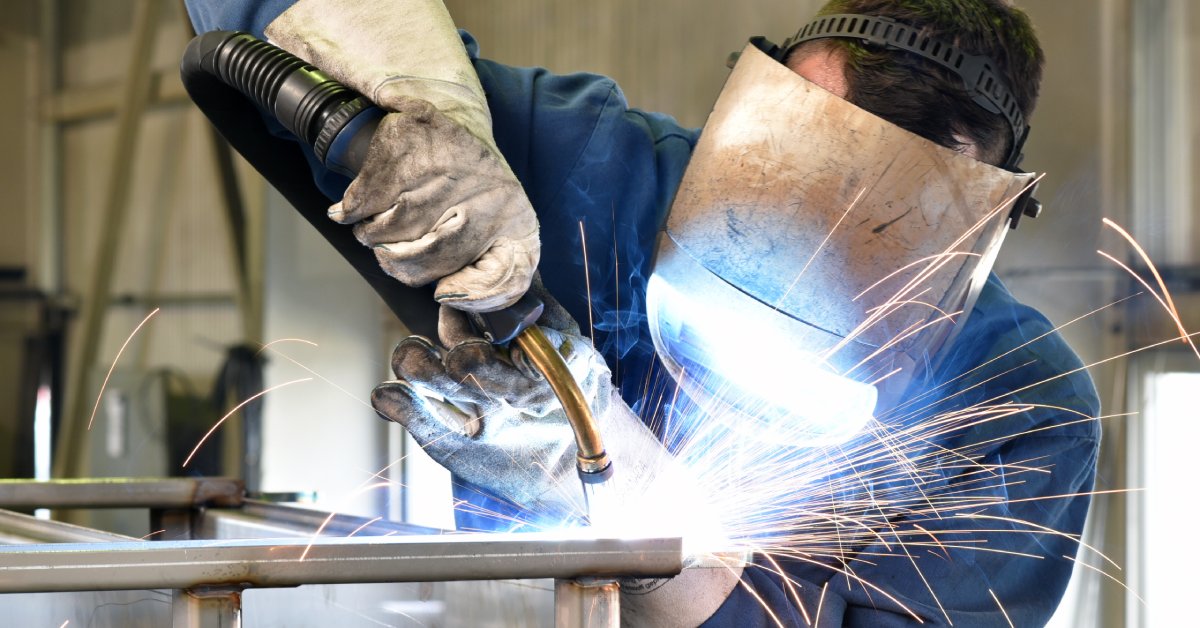
Occupations in environments such as electric utilities, petrochemical plants, and welding operations require clothing that retains its protective properties through daily use and normal wear.
The inherent nature of flame-resistant materials makes them highly reliable. You won’t need to worry about the effectiveness of the protection over time, making them the ideal choice for situations where safety is nonnegotiable, and consistent performance is critical.
Cost: The Price of Protection
While one might seem more affordable upfront, the long-term economics can tell a different story. Here’s a breakdown to help you make an informed decision.
Fire-Retardant Clothing
These fabrics start as standard materials and are treated with chemical coatings to provide fire protection. As a result, the upfront cost is relatively low, making them attractive options for cost-conscious buyers or for short-term use.
However, fire-retardant clothing comes with ongoing costs. Chemical treatments wear off over time, requiring periodic reapplication to maintain effectiveness. Even with regular retreatment, the level of protection may degrade—and the costs can add up.
Flame-Resistant Materials
These garments are made from specialized fibers using advanced manufacturing processes. This significantly increases the upfront price. They’re often two to three times more expensive than fire-retardant clothing.
That said, the investment is worth it, as flame-resistant materials offer long-term value. Their protective properties exist within the fabric and last the lifetime of the garment, eliminating the need for retreatment. With consistent protection, enhanced durability, and fewer replacements, flame-resistant materials often prove more economical over time.
Effectiveness: How Well They Protect You
Another main difference between fire-retardant and flame-resistant materials is how effective they are at keeping you safe. Here’s a closer look at both types to help you make informed decisions.
Fire-Retardant Clothing
The effectiveness of fire-retardant clothing depends heavily on the quality and freshness of the treatment. Over time, washing or wear can cause the chemicals to break down, diminishing their protective qualities. This means the level of protection can vary, potentially leaving you at risk.
Flame-Resistant Materials
These materials typically self-extinguish when the flame source is gone and resist melting or dripping, reducing the chance of severe burns.
Testing shows that high-quality flame-resistant materials maintain their protective capabilities through hundreds of wash cycles. Whether you’re wearing the garment for the first time or after months of use, you can rely on the same level of protection.
Maintenance Requirements: Keeping Your Protection Effective
Proper maintenance is crucial to ensure the ongoing effectiveness of protective clothing. Different materials have unique care requirements, and understanding these can help you make the right choice for your needs.
Fire-Retardant Clothing

These materials require diligent care to maintain their protective properties. You must use specific detergents and avoid fabric softeners as they can interfere with the chemical treatments. Washing temperatures must stay within recommended ranges, and harsh chemicals like bleach can strip away the fire-retardant compounds.
Additionally, regular retreatment is necessary to restore fire-retardant properties. Depending on how often you use and wash the clothing, you may need to reapply chemical treatments every few months. This process often requires removing the garments from service, which can be inconvenient in busy work environments.
Flame-Resistant Materials
You can wash flame-resistant garments with standard detergent, and they do not require special chemicals or retreatment schedules. The primary care instruction is to avoid using fabric softeners and bleach, as these can degrade the fabric’s performance over time.
Thanks to their simple care requirements, flame-resistant materials are practical for everyday use. They allow you to focus on your work without the added worry of complex maintenance routines.
Make the Right Choice for Your Safety
The choice between fire-retardant and flame-resistant materials ultimately comes down to your specific needs, risk level, and long-term plans. Now that you understand the differences between fire-retardant and flame-resistant materials, you can choose the best clothing for your workplace safety.
You deserve the best protection available. At FR Outlet, we specialize in high-quality flame-resistant clothing that keeps you safe day after day. From flame-resistant sweatshirts to durable work pants, we carry the gear you need to face your job’s challenges with confidence.