When you step into work every day, the coveralls you wear are a major line of defense against the hazards you face on the job. These sturdy, purpose-built garments keep you safe from everyday risks, and they've come quite a long way from their origins.
The evolution of safety coveralls in the workplace is a story of industrial growth, advancing technology, and a relentless commitment to protecting workers like you in high-risk environments.
Origins of Coveralls in the Workplace
Safety coveralls were born from a need to address the growing risks posed by industrialization. Long before advanced safety standards and technologies shaped protective workwear, they evolved as a simple yet revolutionary solution to protect workers in dangerous environments.
The birth of widespread industrial activity during the late eighteenth and early nineteenth centuries necessitated significant changes in work attire. With ramped up production processes and machinery use, workers faced new hazards such as moving gears, heavy equipment, and dangerous materials.
The original safety coveralls that these workers used were a one-piece design made from rugged fabrics such as denim or canvas. The primary purpose was durability, ensuring that workers didn't ruin their everyday clothes while braving soot, grease, and filth.
Designed for Durability
Using tough, woven materials that withstood wear and tear, manufacturers created garments that workers could rely on day in and day out. These coveralls ensured full-body coverage from chest to ankles, kept grease and dirt at bay, and catered to industrial settings long before the high-tech advancements that define today’s options became available.
Though these early iterations of coveralls lacked the advanced safety properties we now consider essential, they offered a significantly better option than simpler clothing.
Modern Shifts for Better Workplace Safety
Safety coveralls have come a long way in the past century, and we can thank these advancements for the evolution.
Advancements in Textile Technology
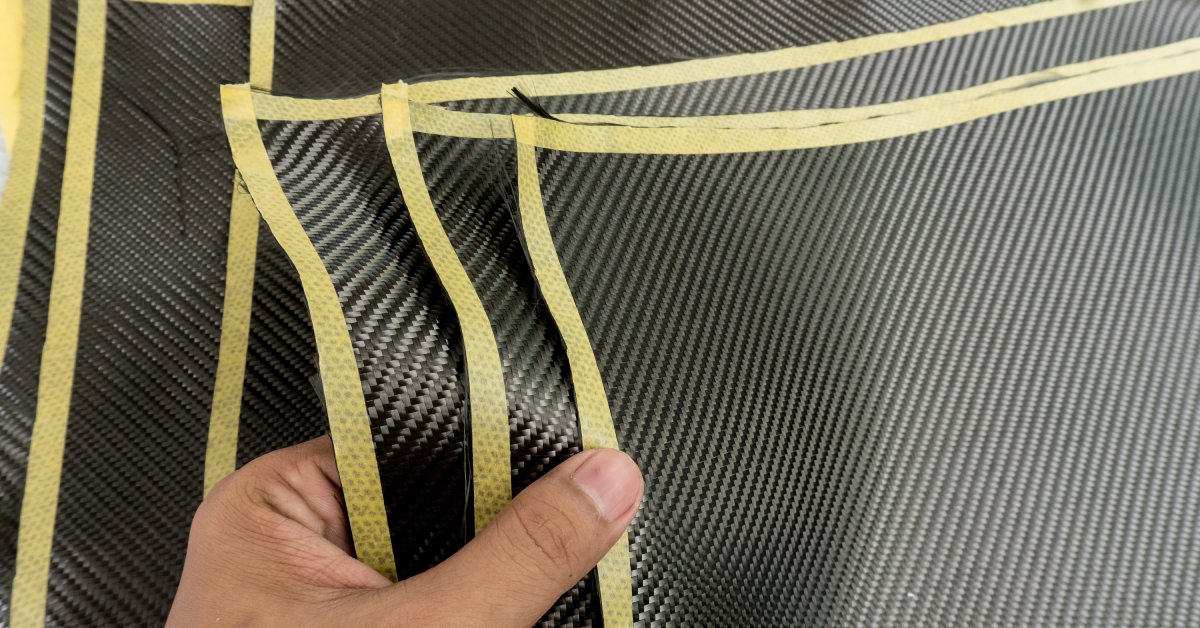
The twentieth century brought a wave of innovation in textile technology, benefiting industrial professionals across all sectors. Synthetic fibers such as polyester and Kevlar opened the door to designing fabrics with highly specific properties, such as flame resistance, strength, and chemical resistance.
The introduction of fire-resistant materials marked one of the most critical turning points. Workers dealing with fire hazards or electrical arcs could finally rely on their garments to reduce serious injuries. These innovations not only saved lives but also created a new standard for workplace safety.
Governmental Regulations
Throughout the mid-twentieth century, governments worldwide began implementing workplace safety standards to protect workers from preventable injuries. Organizations such as OSHA (Occupational Safety and Health Administration) in the United States emerged, mandating safety measures for industries ranging from construction to chemical manufacturing.
Standards for fire resistance (FR), arc flash protection, and chemical resistance became benchmarks for acceptable workwear. These laws and guidelines further solidified safety coveralls' place as an essential part of industrial operations.
Today’s Top Features in Safety Coveralls
Fast-forward to the present, and safety coveralls have become highly specialized garments capable of handling complex requirements. The evolution of safety coveralls in the workplace has brought us to a place where you can rely on these garments to help protect you every day you're at work.
Antimicrobial
Antimicrobial coveralls are specially treated to guard against harmful bacteria, pathogens, and fungi, significantly reducing the risk of infections. This feature is particularly critical for workers in medical fields, laboratories, and food processing facilities, where daily exposure to contaminants can have serious consequences.
Flame Resistance
FR clothing helps protect workers from burn injuries by self-extinguishing when exposed to flames or electrical arcs. If you’re dealing with open flames or dangerous heat sources, wearing FR coveralls can mean the difference between life and death.
At FR Outlet, we prioritize flame resistance in every product, offering insulated FR coveralls designed to meet the harshest workplace environments head-on.
Antistatic
Static electricity buildup can lead to accidental sparks, which pose a significant risk in environments where flammable gases or liquids are present. Antistatic safety coveralls use advanced materials that dissipate static charges, preventing dangerous discharges.
Arc Flash Protection
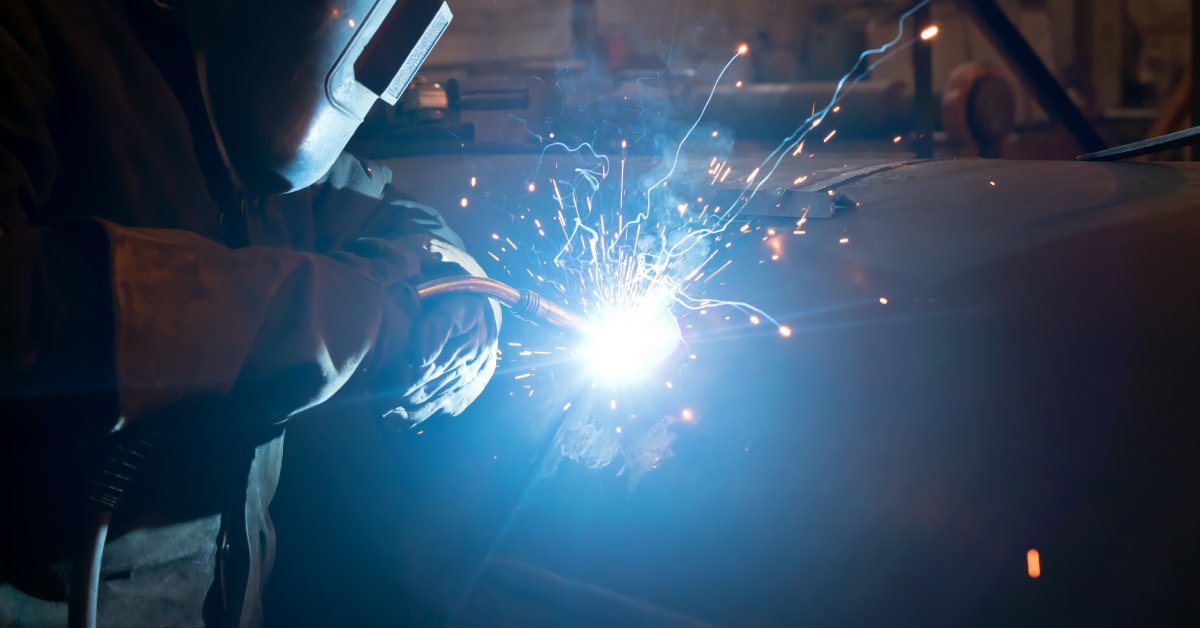
Arc flashes are sudden, high-energy electrical discharges that can cause severe injuries, burns, and even fatalities. Coveralls designed for arc flash protection use specialized fabrics that can absorb and dissipate the intense heat and energy released during an arc flash incident.
This minimizes injuries and gives workers valuable time to react in an emergency. For anyone working near high-voltage equipment, arc flash protection is a nonnegotiable aspect of their safety gear.
Chemical Spill Protection
Manufacturing, chemical processing, and laboratory work expose employees to hazardous chemicals daily. Safety coveralls with chemical spill protection are specifically designed to repel or neutralize harmful substances, reducing workers' direct exposure during accidental spills or splashes.
These coveralls provide a barrier against corrosive or toxic liquids, ensuring that injuries or contamination risks are minimized.
High Visibility
High-visibility coveralls feature bright, eye-catching colors and reflective strips strategically placed to enhance visibility from all angles. High-visibility coveralls ensure that workers are easily seen by drivers, machinery operators, and coworkers, reducing the risk of accidents.
In many industries, being visible can mean the difference between life and death, making this feature indispensable for worker safety.
Enhanced Comfort
Features such as stretch panels, adjustable fits, and lightweight fabrics make modern safety coveralls more wearable for long hours. Enhanced comfort is especially important for physically demanding roles, as it allows workers to stay focused on their tasks without being distracted by restrictive or uncomfortable clothing.
Insulation
By using thermal materials, insulated coveralls trap heat to keep workers warm and safe in subzero conditions. In the high-risk oil and gas industries, insulated coveralls offer unbeatable protection.
Breathability
By preventing overheating and reducing discomfort, coveralls made from breathable fabric help improve productivity and worker well-being. Whether you’re in construction or manufacturing, breathable safety coveralls are a vital innovation that can meet your workplace demands.
At FR Outlet, we take pride in offering high-quality, reliable safety coveralls for the modern worker. Whether you're seeking insulated FR coveralls to battle the cold or high-visibility options for construction, our range has everything you need to stay safe and comfortable on the job.