The difference between basic workwear and flame-resistant (FR) gear can be the difference between walking away from an accident unharmed and facing months of recovery.
Choosing workwear that delivers exceptional protection is vital. You need gear that performs when it matters most, fits your work environment, and stands up to daily wear. Here are nine essential features of flame-resistant workwear that set the quality pieces apart from the ones you should leave on the rack.
Self-Extinguishing Materials
Flash fires and sudden ignition sources happen in seconds. The foundation of any effective flame-resistant garment lies in its ability to stop burning once the ignition source disappears. Standard work clothes continue to burn and melt against your skin, causing severe injuries even after you escape the initial hazard. FR materials resist ignition and extinguish themselves quickly.
Look for fabrics that meet NFPA 2112 standards for flame-resistant garments. These materials undergo rigorous testing to ensure they won’t continue burning, won’t melt, and won’t drip molten material onto your skin. Cotton-based FR fabrics like those treated with Proban or inherently flame-resistant materials like Nomex provide this crucial protection.
When flames come into contact with flame-resistant fabrics, the material chars rather than burns, creating a barrier that protects your skin underneath.
Flash-Rated for Electrical Hazards
Beyond basic flame resistance, electrical workers need gear rated for arc flash incidents. Arc flash events release tremendous energy in milliseconds, creating temperatures that exceed those on the sun’s surface. Regular flame-resistant clothing won’t protect you from this level of thermal energy.
Choose workwear with an arc rating that meets or exceeds your workplace requirements.
Full-Coverage Protection

Effective flame resistance means covering all exposed skin. Many workers get FR shirts and pants, but forget about gaps at the wrists, ankles, and neckline where flames can reach skin. Comprehensive protection requires attention to these vulnerable areas.
FR jumpsuits offer full coverage by eliminating the gap between shirt and pants. These one-piece garments ensure flames can’t reach the midsection, even when people bend, stretch, or move throughout the workday. Many workers prefer jumpsuits for this reason, especially in high-risk environments.
Pay attention to sleeve and pant lengths, collar height, and how garments overlap when you move. Your FR shirt should extend well below your belt line, sleeves should cover your wrists completely, and collars should protect your neck area. Small gaps in coverage can lead to serious burns during an incident.
Breathability for Better Work in Hot Environments
Even the best protection becomes useless if you can’t wear it comfortably for a full shift. Many industrial environments already run hot, and adding flame-resistant clothing can make workers dangerously overheated if the fabric doesn’t breathe properly. Heat stress poses its own serious health risks.
Advanced FR fabrics balance protection with comfort through advanced weaving techniques and fiber blends. Look for fabrics with moisture-wicking properties that pull sweat away from your skin and allow air circulation. Some manufacturers use mesh panels in low-risk areas to increase airflow without compromising protection.
Breathable FR clothing helps maintain your core body temperature and prevents the fatigue that comes with overheating. When you stay comfortable, you’re more alert and less likely to make mistakes that could lead to accidents.
Insulation To Keep You Comfortable
While breathability matters in hot conditions, workers in cold environments need flame-resistant clothing that provides adequate insulation. Cold-weather gear must maintain its FR properties while keeping you warm enough to work effectively.
Proper insulation prevents the temptation to wear non-flame-resistant layers underneath your protective clothing. Adding regular cotton or synthetic base layers defeats the purpose of FR protection and can actually increase burn injuries if these materials melt onto the skin.
Flexible Fit for Ease of Movement
Protection means nothing if your clothing restricts movement so much that it creates other safety hazards. Workers need to climb, reach, bend, and move freely without fighting their clothing. Poorly fitted FR gear can snag on equipment, limit visibility, or prevent quick movements during emergencies.
Quality FR workwear incorporates design features like articulated knees, gusseted crotches, and action backs that allow natural movement. Sizing should provide enough room for comfortable motion without excess fabric that could catch on machinery or create tripping hazards.
Test your range of motion when trying on FR clothing. Reach overhead, squat down, and simulate the movements you make during work. The clothing should move with you naturally without binding or restricting your actions.
Reflective Strips and Various Visibility Features
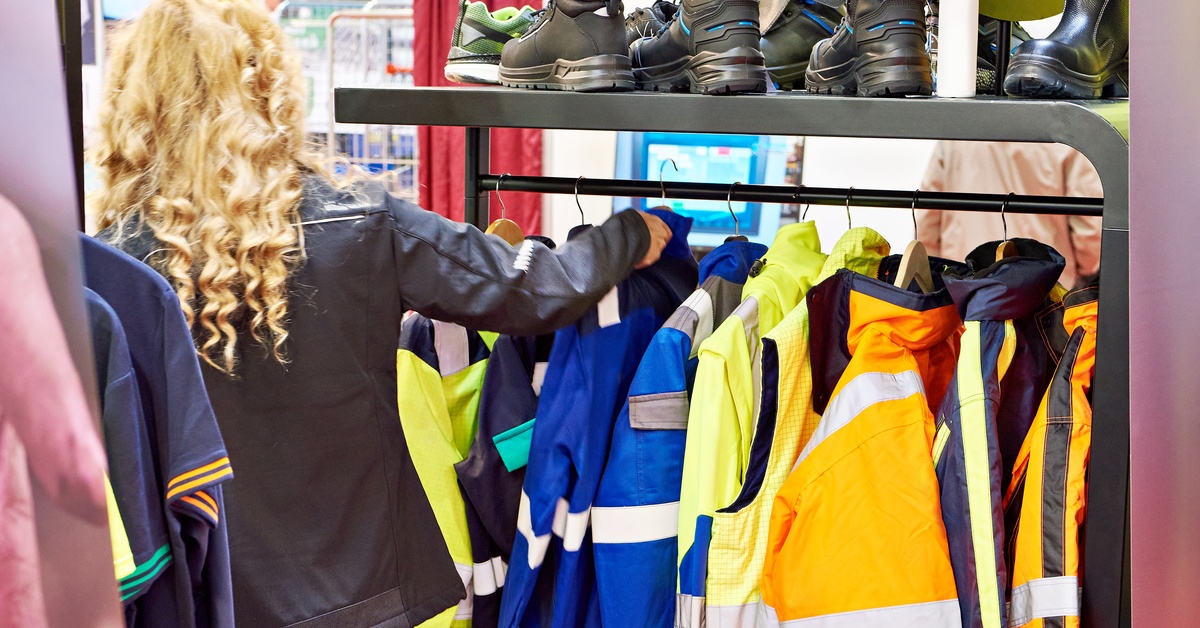
Many industrial environments require high-visibility clothing to prevent accidents involving moving equipment or vehicles. FR workwear might need to combine flame resistance with visibility features, depending on your work environment. Standard reflective tapes can melt during fire exposure, so be sure to select FR reflective strips.
Consider your work environment’s lighting conditions and vehicle traffic when choosing visibility features. Outdoor work, night shifts, and areas with heavy equipment movement typically require Class 2 or Class 3 high-visibility features combined with FR protection.
Reinforced Knees and Elbows
Reinforced stress points prevent premature wear that could compromise protection and cost you money in frequent replacements. Double-layer fabric at knees and elbows provides extra durability where you need it most.
Reinforced areas should feel substantial but not bulky. Quality reinforcement adds durability without restricting movement or creating uncomfortable pressure points during extended wear.
Durability for Years of Use
Industrial washing and daily wear take a toll on any workwear, but FR clothing must maintain its protective properties throughout its useful life. Fabrics that lose their flame resistance after multiple wash cycles leave you vulnerable without obvious warning signs.
Inherently flame-resistant fibers maintain their properties throughout the garment’s life. Treated fabrics can also provide excellent durability when properly cared for, but they require specific washing procedures to maintain protection levels.
Gear Up With FR Outlet
Your safety depends on choosing flame-resistant workwear that includes all of these essential features. At FR Outlet, we stock quality FR workwear from trusted manufacturers who understand what industrial workers need.
Our team knows the standards, ratings, and features that matter most in your specific work environment. Get the protection you deserve and the comfort you need to perform your best every day.