Steel-toe boots are a staple for workers in industries where safety is a priority, and steel-toe boots aim to protect feet from heavy impacts, compression, and hazardous materials. However, the comfort of steel-toe boots varies significantly, and this can impact not only your work performance but also your overall well-being. A well-fitted and comfortable pair of steel-toe boots can carry you through long hours with ease, while an uncomfortable pair can lead to inefficiency, distraction, and even injury. Before picking up a pair, learn a few ways of differentiating comfortable and uncomfortable steel-toe boots.
The Role of Proper Fit
Finding comfort in steel-toe boots begins with the right fit; a well-fitting boot molds to your feet without being too tight or too loose. Comfortable steel-toe boots have ample toe room, ensuring that your toes are not pressed against the steel cap, which can be a major source of discomfort during extended wear. On the other hand, an uncomfortable pair often feels restrictive, leading to blisters, pinched toes, and sore feet. Fit issues are often exacerbated over time, as poorly fitted boots can fail to provide the support and alignment your feet require during long shifts.
Proper sizing also prevents unnecessary friction and pressure points that could interrupt work routines. Quality manufacturers often offer boots in different widths to accommodate variances in foot shapes, a critical factor to consider when aiming for both safety and comfort.
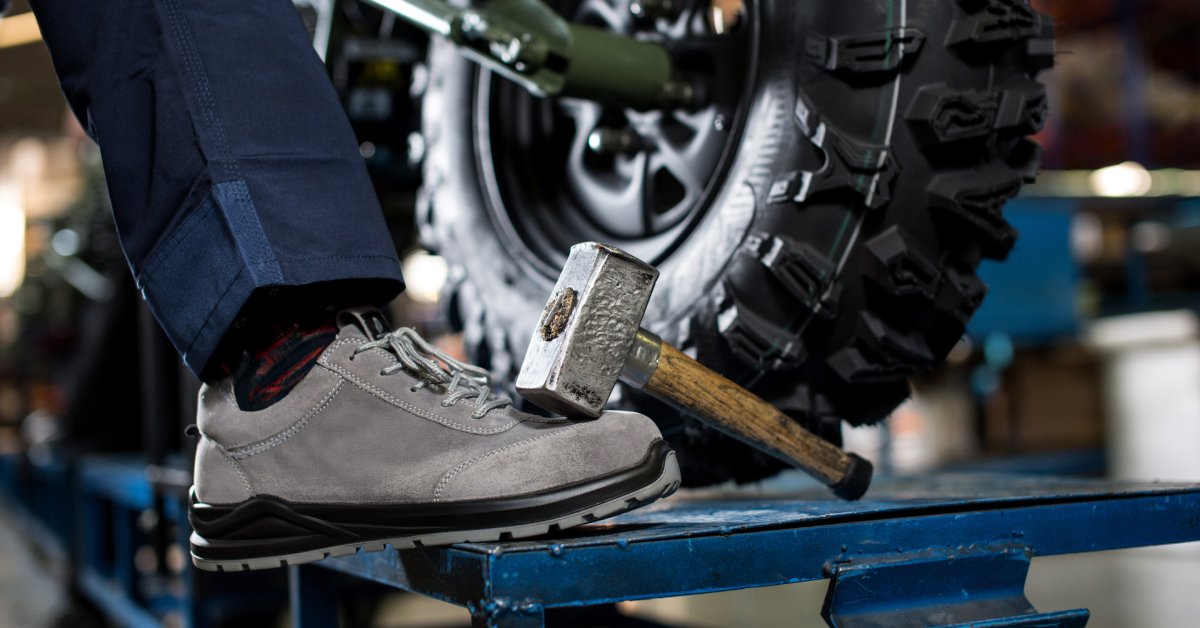
Cushioning and Support
Comfortable steel-toe boots stand out for their superior cushioning and arch support. High-quality boots often come equipped with padded insoles and shock-absorbing midsoles, designed to reduce impact on your feet as you walk or stand for long periods. These features help minimize fatigue and support the natural structure of the foot.
Uncomfortable steel-toe boots, on the other hand, tend to lack adequate cushioning. Stiff insoles and hard midsoles provide insufficient shock absorption, leading to painful feet, swollen arches, and aching joints over time. Poor support in uncomfortable boots may also cause issues farther up the body, such as knee or lower back pain, due to improper weight distribution or alignment.
Material Quality
The materials used in steel-toe boots play a significant role in determining their comfort level. Comfortable boots are often crafted from high-quality materials such as durable leather or breathable synthetic fabrics. These materials allow proper ventilation, which is essential for maintaining a comfortable temperature inside the boot, especially during warm weather. Breathable boots help prevent sweaty feet, reducing the risk of blisters and odors.
Uncomfortable steel-toe boots are often made of cheaper, less breathable materials, and these materials trap heat and moisture, leading to an unpleasant experience for the wearer. Lower-quality materials are prone to stiffness and may require an extended break-in period before they feel even remotely comfortable.
Weight and Mobility
Another distinguishing factor is the weight of the boots; comfortable steel-toe boots balance protection with mobility. Lightweight options are made with advanced materials that maintain safety standards while reducing fatigue caused by the heavy weight of traditional steel-toe caps. Workers often benefit from the reduced strain on their feet and legs when their boots are lighter.
On the contrary, uncomfortable boots tend to be heavier and more cumbersome. The extra weight can slow you down and increase the physical toll on your body, making long shifts even harder to endure. Over time, this additional strain can lead to muscular fatigue, loss of energy, and decreased productivity.
Durability vs. Comfort
Durability is a key factor often prioritized in steel-toe boots, but sometimes manufacturers sacrifice comfort for the sake of rigid construction. Comfortable boots strike a balance between long-lasting wear and user comfort by incorporating flexible, yet sturdy, designs. Features such as reinforced seams, ergonomic shapes, and flexible soles enhance the boot's durability while still allowing for natural movement.
Uncomfortable boots, by contrast, often lean heavily on durability alone. Overly rigid outsoles and unyielding construction may worsen discomfort, especially for workers required to crouch, bend, or climb frequently. Finding a pair of steel-toe boots that marries toughness with flexibility is critical for prolonged comfort.
The Break-In Period
Even the most comfortable steel-toe boots may require a break-in period to adapt to your feet. However, high-quality boots are designed to minimize this phase, offering an easier and quicker transition to everyday use. Cushioned interiors and forgiving materials contribute to a comfortable fit sooner rather than later.
For uncomfortable boots, the break-in period can feel like an endless ordeal. Overly stiff materials and poorly designed interiors can take weeks to adjust, and in some cases, they may never truly feel comfortable or supportive. Excessive breaking-in efforts might signal that a boot is not suitable for your needs.
Impact on Productivity and Well-Being
The consequences of wearing uncomfortable steel-toe boots extend beyond physical pain. Discomfort can significantly affect work productivity and mental focus, as constant adjustments or distractions pull attention away from tasks. Workers who experience ongoing discomfort may also be at greater risk for accidents if their movements are restricted.
Comfortable steel-toe boots, on the other hand, contribute to enhanced efficiency and a better mood throughout the workday. With a proper fit, sufficient support, and lightweight designs, they promote ease of movement, enabling workers to perform at their best.
Choosing the Right Pair
Ultimately, the choice between comfortable and uncomfortable steel-toe boots boils down to careful consideration of several factors, including fit, material, cushioning, and overall design. Investing in a well-made, comfortable pair not only ensures compliance with safety standards but also provides long-term benefits for your health and job performance. Prioritizing comfort from the outset can save you from aches, pains, and reduced productivity down the line.
Comfortable steel-toe boots are more than an option; they are a necessity for those who spend long hours on their feet in demanding environments. Paying attention to these distinguishing features can make a world of difference in how you experience each step on the job.
FR Outlet has a wide variety of steel-toe boots to keep you comfortable, whether for professional work or for everyday use. We also provide ladies’ FR clothing if you require those. If you need any more information on what we offer, please don’t hesitate to contact us today.