Steel-toe boots are a go-to choice for workers in factories, construction sites, landscaping, and other physically demanding environments. But over time, these shoes have gained a reputation for being unsafe under certain circumstances. Could something designed to protect your feet really put you in danger? It’s time to separate fact from fiction and lay these myths to rest once and for all.
Are Steel-Toe Boots Unsafe for Working With Electricity?
As we debunk myths about the dangers of steel-toe boots, we have to consider if these shoes are unsafe for electrical work. The argument is that since steel is a metal, the toe cap could conduct electricity and increase the risk of electrocution.
However, modern steel-toe boots can handle electrical hazards. High-quality boots have nonconductive soles made from materials like rubber or polyurethane. The sole creates a barrier between your feet and the ground, preventing electrical currents from traveling to your body.
Additionally, today’s steel-toe boots undergo rigorous testing to meet industry standards such as ASTM F2413. If your job involves working directly with electricity, just look for boots labeled EH-rated, with EH short for Electrical Hazard. You’re more likely to encounter electrical risks if you skip proper safety gear than if you wear steel-toe boots built for your line of work.
Will These Boots Cause Heavy Objects To Amputate Your Toes?
Steel-toe boots distribute force and absorb impact, shielding your toes from harm. That’s precisely why steel caps are mandatory in many industries where workers handle heavy tools, crates, or machinery.
Sure, a 1,500-pound pallet probably isn’t going to leave your feet unscathed, but even in cases where the load exceeds a boot’s protective capacity, the risk of toe amputation is extremely minimal. Comprehensive testing has shown that steel-toe caps perform incredibly well under stress, significantly reducing damage compared to unprotected feet.
If you’re still skeptical, just consider the alternative. Without steel-toe boots, you’re leaving your feet completely vulnerable to crushing injuries on the job. Which are you more likely to regret? Steel-toe boots are the clear winner.
Do Steel-Toe Boots Increase the Risk of Trips and Falls?
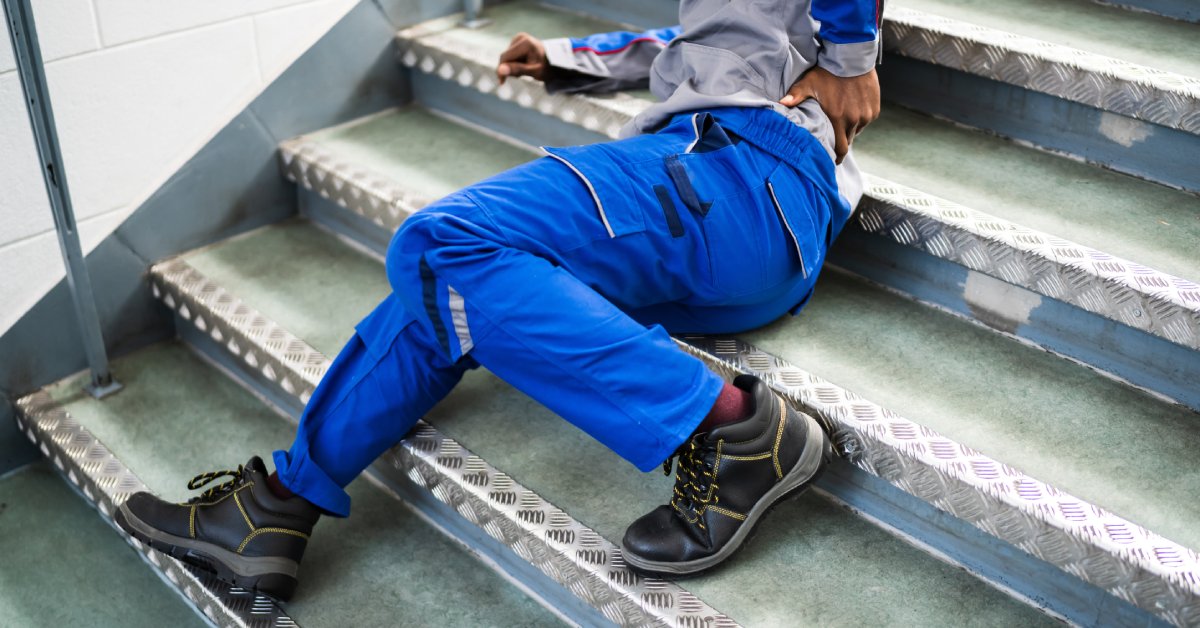
It’s easy to see how this myth gained traction. After all, steel-toe boots are sturdy and durable, which some people might equate with clunkiness. Some might assume footwear like this makes you less agile, creating more opportunities for trips and falls.
A high-quality pair of steel-toe boots won’t hinder your ability to move around. Quite the contrary, actually. These boots are designed with workplace hazards in mind. Features like slip-resistant soles and shock-absorbing insoles are standard, giving you better traction and stability, even in slippery or uneven environments.
Besides, if you think a steel-toe boot might throw off your balance, the real issue might be improper sizing. Always make sure the boot fits snugly without pinching your toes or leaving too much room to slide around. Wearing the wrong size of any type of footwear can affect your stride.
Are Steel-Toe Boots Too Heavy To Move Around In?
Another common rumor about steel-toe boots is that they’re just too bulky and heavy to wear day after day. Sure, some older models reflected this stereotype, but advancements in design have made modern steel-toe boots much more lightweight, agile, and comfortable than their predecessors.
Today’s boots use innovative materials that combine strength and flexibility, letting you stay mobile without compromising protection. Most boots also have ergonomic features that align with your natural step. After just a few hours of wearing them, you’ll likely forget any difference in weight, allowing you to achieve your work tasks without hampering productivity.
Will Steel-Toe Boots Hurt My Feet While Working?
If you’ve worn a bad pair of boots before, it’s easy to see why you may be wary of steel-toe boots. After all, stiffness, blisters, and general discomfort are enough to ruin anyone’s shift. But when it comes to steel-toe boots, discomfort usually stems from poor fit or improper use, not the boot’s protective properties.
Steel-toe boots with features like padded insoles, arch support, and breathable linings will help rather than harm your feet. Most boot models allow you to replace standard insoles with custom orthotics too. Don’t forget to pair your boots with good-quality socks to reduce friction and provide more cushioning.
Of course, break your boots in before wearing them on the job to reduce discomfort. You can walk around your house or take them for a spin over a weekend so they’ll feel like a natural extension of your feet. With the right fit and a little preparation, you can enjoy protection and comfort without compromise when wearing steel-toe boots.
Do Steel-Toe Boots Make Your Toes Cold?
People have long claimed the steel in safety boots turns them into ice blocks in colder conditions. However, this is just another one of those myths about the dangers of steel-toe boots that we’re here to debunk.
While steel conducts temperature more effectively than nonmetallic materials, the amount of heat transfer is minimal in insulated steel-toe boots. Most models come equipped with thermal padding or linings specifically designed to keep your feet warm. If you work in extreme conditions and want even more protection, buy socks made from wool or thermal fabrics to lock in more heat.
Will My Boots Interfere With Workplace Equipment?
Another common misunderstanding is the belief that steel-toe boots are magnetic and could interfere with sensitive workplace equipment, especially in environments like health care facilities or areas with high-tech machinery.
Steel-toe caps are not magnetized and pose no risk of interfering with electromagnetic equipment. In other words, these boots are entirely safe for use in workplaces that rely on advanced technology or specialized tools.
Workers in industries such as aviation maintenance, laboratory research, or medical settings often wear steel-toe boots without issues. These environments demand safety with no tolerance for equipment malfunctions, so the use of nonmagnetic materials where necessary is carefully regulated.
Steel-Toe Boots You Can Trust
Steel-toe boots protect your feet and keep you safe. Modern safety and comfort features make this footwear essential for many workplaces. Explore our premium collection of steel-toe boots and FR work clothes here at FR Outlet. Ignore the myths, and choose boots that work as hard as you do.