Flame-resistant (FR) clothing plays a critical role in protecting individuals in hazardous work environments. Whether you work in sectors like oil and gas, construction, or electrical utilities, ensuring your FR garments retain their safety features is crucial. Proper care and washing techniques will not only extend the lifespan of your FR clothing but also ensure that its flame-resistant properties remain intact. Among the various factors to consider, the type of detergent and cleaning method is perhaps the most important. Before cleaning any FR clothes, make sure to understand the detergents and other choices to wash flame-resistant clothes.
Why Careful Washing Matters for Flame-Resistant Clothes
Flame-resistant garments are specifically designed to minimize burn injuries by self-extinguishing when exposed to flames. However, these properties can be compromised with improper washing practices or unsuitable detergents. Aggressive chemicals or fabric softeners can leave a coating on the fibers, reducing their ability to repel flames and retain safety features; similarly, strong bleach or starching agents can strip the fabric of its functional layers. Understanding the science behind the dos and don’ts of washing flame-resistant clothing is the first step toward the safe upkeep of these garments.
Even if FR gear can withstand rough external conditions, it remains sensitive to chemical interactions during washing; therefore, individuals and employers alike must use proper cleaning methods to protect the efficacy of flame-resistant technology. This ensures not only personal safety but also compliance with occupational safety standards.
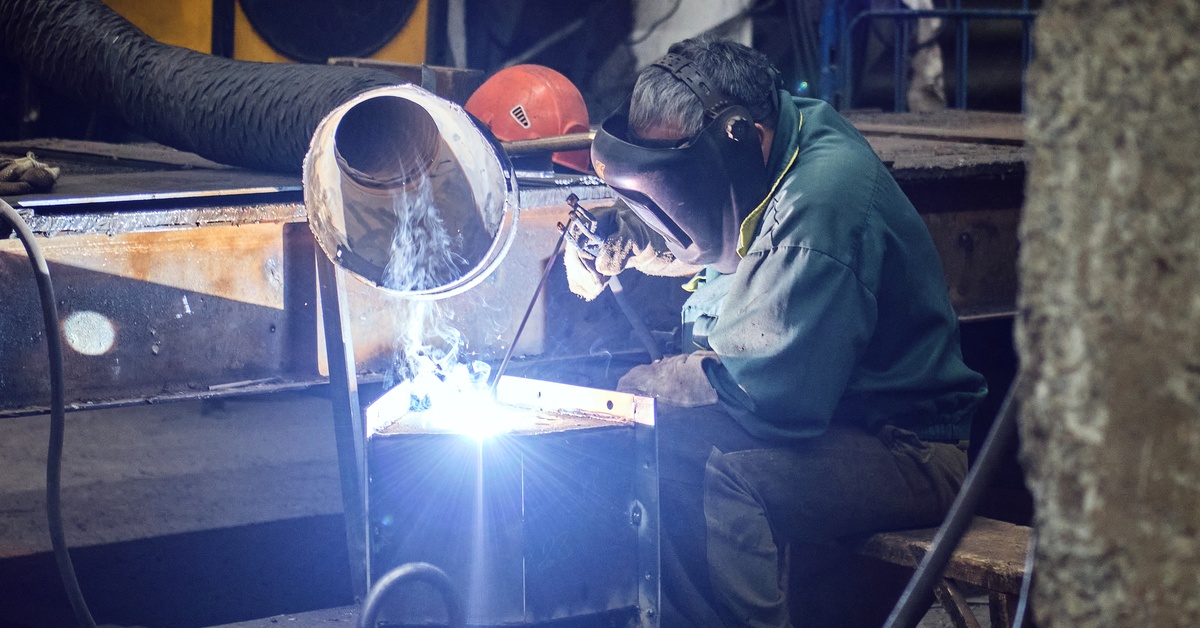
Choosing the Right Detergent
Not all laundry detergents are suitable for flame-resistant materials. The best options are mild and formulated without chlorine bleach, fabric softeners, or enzymes that could damage FR coatings. High-efficiency (HE) detergents are often recommended because they provide effective cleaning while being gentle on the fibers. Ideally, you should look for detergents with no added fragrances or brighteners, as these additives leave residues that alter the fabric's resistance properties.
Specialty detergents designed specifically for FR clothing are a solid option; these products are formulated to remove dirt, grease, and stains without compromising the flame-resistant finish. For work environments prone to exposure to contaminants like oil or fuel, using an FR-safe detergent ensures that the garments remain both clean and protective. Regular detergents may leave behind flammable residues, creating a dangerous situation for wearers.
Always remember to read the manufacturer's care instructions for your FR garments. Some brands have specific recommendations for detergents and cleaning techniques to ensure optimal protection.
The Role of Water Temperature
Water temperature is another critical aspect of washing FR garments. While hot water can help remove stubborn stains, extreme temperatures may weaken the protective coating or warp the fabric structure. Most FR garments are best cleaned using warm or cold water, as these temperatures are effective at removing dirt without causing strain on the materials.
Avoid washing FR clothing with excessively soiled regular garments, as contaminants can transfer and affect the FR fabric. Using hard water can result in mineral deposits that interfere with flame-resistant properties. A water softener may be required in areas with particularly hard water to ensure a thorough and safe clean.
Avoiding Common Laundry Additives
Fabric softeners and dryer sheets are household staples for many, but they are strictly forbidden when it comes to washing flame-resistant clothing. These products contain chemicals that coat the fibers, reducing their ability to self-extinguish in the presence of fire. Similarly, bleach and starch should be avoided as they can degrade the fabric's structure over time.
Some people mistakenly believe that heavily soiled FR garments require stronger chemical treatments to clean properly. However, even in industrial settings, mild detergents remain the safest and most effective choice. Pre-treatment with a small amount of an FR-safe detergent can target stubborn stains, eliminating the need for harsh additives.
Washing Machine Settings
When it comes to choosing washing machine settings, a gentle or medium wash cycle is typically sufficient for FR garments. High-speed or overly aggressive cycles are unnecessary and may damage the protective qualities of the fabric. Front-loading washing machines are often preferred as they are gentler on clothing compared to top-loading models with agitators.
It’s also worth noting that overloading the washing machine can compromise the cleanliness of FR garments. Ensuring adequate space allows water and detergent to circulate freely, providing optimal cleaning performance.
Alternative Cleaning Methods
Depending on the level of soil and type of contaminant, you may need to consider alternative cleaning methods beyond conventional washing. Dry cleaning can be an option for certain FR garments, but it is essential to verify its safety with the garment manufacturer. Some dry-cleaning solvents may interact negatively with FR materials, so proper vetting of the service provider is important.
For heavily industrial soiling, industrial laundry services tailored to FR clothing might be the best course of action. These facilities use specialized techniques and detergents to safely clean FR garments, ensuring their protective properties remain intact. Employers often partner with such services to manage the cleaning of company-issued FR uniforms.
Tips for Maintaining Flame-Resistant Clothes
Maintaining FR garments is not just about washing; proper storage and care between uses also play a key role. Avoid exposing your garments to direct sunlight for extended periods, as UV rays can weaken fabric fibers over time. Likewise, inspect your FR clothing regularly for signs of wear and tear. Small tears or thinning fabric can compromise the effectiveness of the garment, so repairs or replacements should be prioritized.
When storing FR clothing, ensure it is kept away from chemical fumes, flammable liquids, or other contaminants. A clean, dry space will help preserve the fabric's integrity until its next use. You should also avoid ironing FR garments unless the care label indicates it is safe to do so.
The Long-Term Value of Proper Care
While it may seem tedious to follow strict washing and care guidelines for flame-resistant clothing, the long-term benefits are undeniable. Proper care ensures that the protective properties of these garments are maintained across their entire lifespan, providing consistent safety for workers. Neglecting proper washing practices not only jeopardizes personal safety but also leads to increased costs through frequent replacements.
By investing time and effort into understanding the requirements for FR clothing care, wearers can optimize the performance and durability of their garments. Employers also play a role in educating their teams about these best practices, fostering a safer and more dependable work environment.
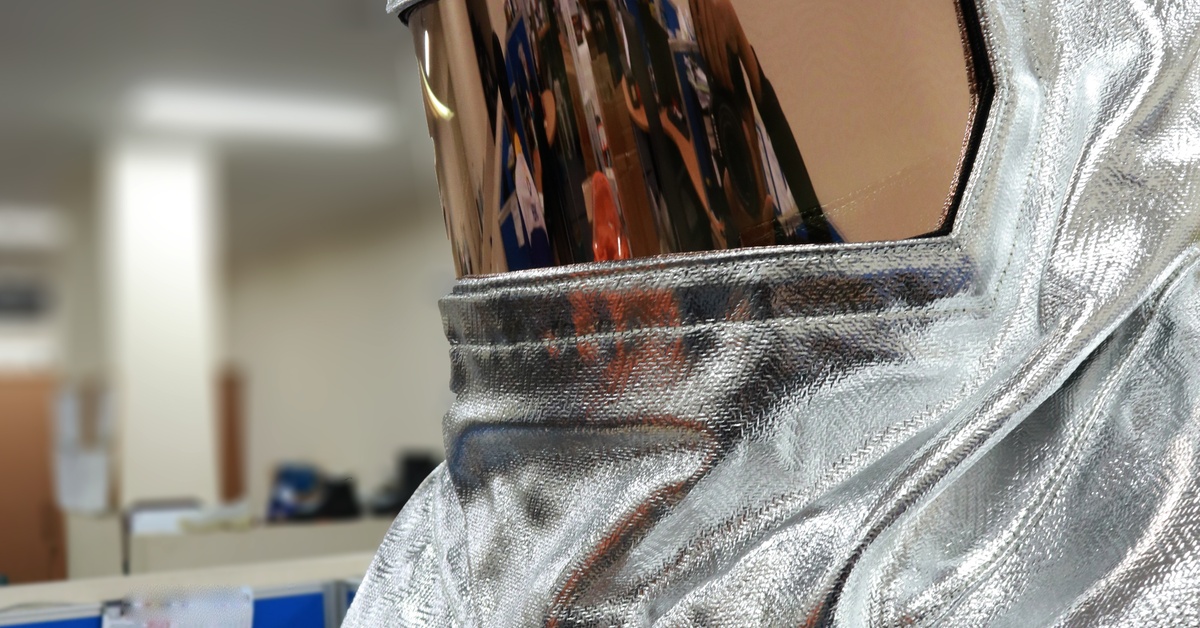
Keep Your FR Clothing in Top Condition
Flame-resistant clothing is a critical component of workplace safety, and its protective properties depend heavily on proper care and washing. Using the right detergents, water temperatures, and maintenance practices ensures that FR garments remain effective and reliable. By incorporating these methods into your laundry routine, you can extend the life of your FR clothing and provide yourself or your team with consistent protection in demanding environments. Safe laundering practices are a small but vital part of preserving safety and minimizing risks in hazardous industries.
If you or your company regularly deals with fire hazards, FR Outlet has the gear you need to ensure everyone stays safe. Our selection of flame-resistant pants and other apparel items is able to keep you and your workers safe from any fire-related danger. Contact us today for further information.