You face dangers every day in high-risk industries. Chemical exposure is one of those risks you know all too well. So, what can you do to stay protected?
FR clothing was designed to add an extra layer of protection and shield wearers from the serious effects of chemical burns, keeping their safety a top priority. Let’s explore the relationship between FR clothing and chemical burn protection.
The Dangers of Chemical Burns
Hazardous chemicals can cause severe injuries when they encounter the skin, eyes, or other body surfaces. Unlike common burns caused by heat, chemical burns can result in deeper tissue damage and, in extreme cases, may lead to permanent injury or even death. Understanding the risks involved is the first step toward protecting yourself.
High Risk of Chemical Contact in Certain Industries
Chemical exposure is a serious concern in many industries. A single spill or splash can lead to severe injuries or long-term health issues. Workers in high-risk fields must stay vigilant and use proper protective gear to minimize danger.
Manufacturing
Often, workers handle hazardous chemicals, such as strong acids, solvents, and toxic by-products. For example, those in chemical production may work with substances capable of causing burns or respiratory issues on contact. Frequent exposure to fumes, spills, or splashes makes wearing protective equipment and following safety protocols essential.
Construction
Working in construction, you face risks from caustic substances, such as cement, adhesives, and sealants. For instance, concrete contains lime, which can irritate or burn skin on prolonged contact. Additionally, workers often deal with flammable or corrosive materials. Proper handling procedures and wearing gloves, goggles, and protective clothing can reduce these risks.
Industrial Cleaning
This type of work requires you to use high-concentration cleaning agents containing ammonia, bleach, or other strong chemicals. These substances can irritate skin, damage eyes, and cause respiratory problems if inhaled. Protective gear, ventilation, and proper handling are crucial when cleaning at scale.
Food and Maintenance Industries
Even routine cleaning agents used in industrial kitchens, food production facilities, and maintenance work can cause harm in large quantities. High-strength degreasers, disinfectants, or drain cleaners can lead to chemical burns or other injuries. Proper training on dilution and application helps prevent accidents.
Damage to Your Skin or Eyes
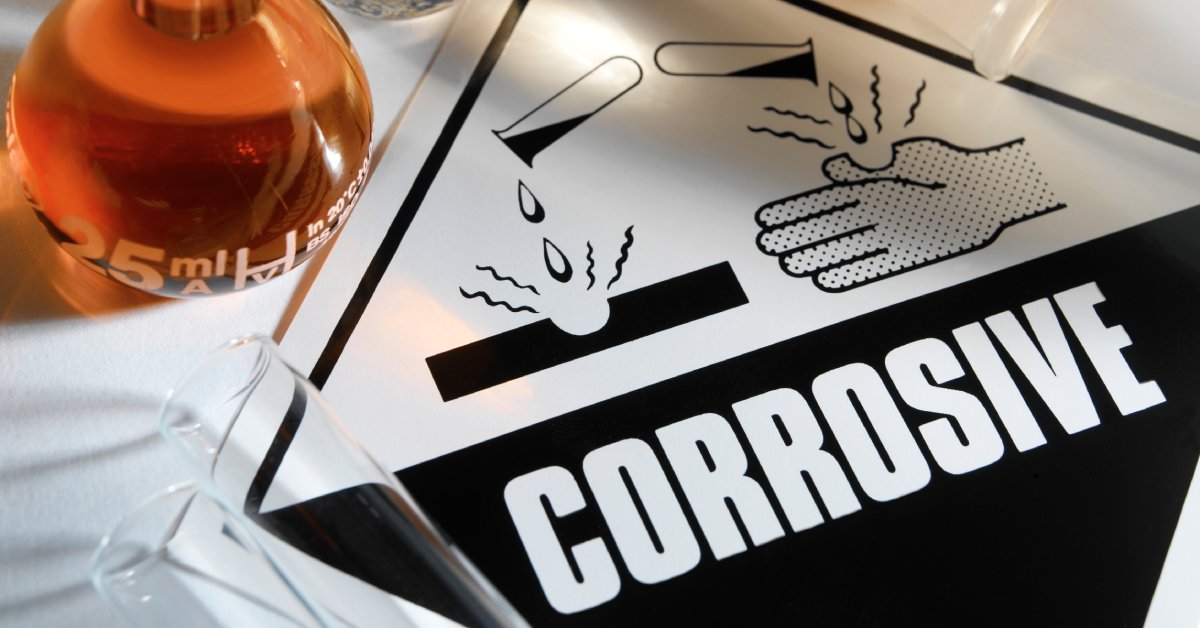
The effects of a chemical burn depend on the substance, but don’t think minor irritation is the worst-case scenario. Acids often found in battery manufacturing, such as sulfuric acid, can eat away at layers of the skin within moments of contact. Bases, such as caustic soda, may cause less immediate pain but can burrow deeper into tissue, causing severe injury beneath the surface.
Your eyes are more vulnerable. A single drop of a hazardous chemical can result in partial or total blindness. Without the right protective measures, a split-second mistake can have life-changing consequences.
Potential for Long-Term Issues
The immediate physical damage is only one part of the equation. Often, chemical burns lead to complications over time, including scarring that affects mobility, chronic pain, or hypersensitivity in the affected area. Beyond the physical toll, there’s the financial burden of medical treatment and time lost from work.
Exposure to toxic substances without adequate safeguards can also cause respiratory issues or systemic illnesses if chemicals enter your bloodstream. These long-term effects may not manifest right away, but they can severely impact your quality of life in the years to come.
How FR Clothing Can Help Against Chemical Burn Risks
Flame-resistant (FR) clothing does much more than protect against flame exposure. Many modern FR garments include innovative chemical-resistant features, adding an extra layer of defense against accidental splashes or spills in hazardous environments.
The material in many FR garments can resist saturation by liquids, including harmful chemicals. These garments can prevent the substance from absorbing into the fabric if a spill or splash does occur, protecting your skin underneath. Some materials even act as a buffer to repel caustic agents entirely, giving you vital reaction time to rinse away harmful substances before they penetrate.
At the same time, FR clothing prioritizes breathability and comfort to ensure you can move freely and perform tasks without feeling restricted or overheated. The right FR garments maintain a balance between practicality and protection, ensuring you’re always ready for any potential risks on the job.
Choosing the Right FR Clothing for Your Protection
Selecting the right FR clothing for chemical burn protection takes careful skill. Not all FR gear offers the same level of protection, so it’s important to match the clothing to your specific job requirements. Consider the risks you face daily, such as exposure to flames, electrical arcs, or chemical splashes. Properly chosen FR clothing ensures you stay protected, productive, and comfortable on the job.
Shop Trusted Retailers
Always choose companies with a proven reputation for quality and expertise when shopping for FR clothing. Your safety depends on gear built to perform in the toughest conditions, so don’t take risks with unverified brands or generic products that sacrifice functionality.
FR Outlet offers a wide selection of thoroughly tested, high-quality FR garments designed to meet strict safety standards and workplace demands. Our collection includes FR for women and men, with everything from flame-resistant shirts and pants to coveralls and outerwear. Combining durability, comfort, and protection, our products ensure you stay safe on the job.
Ensure It Meets Safety Standards
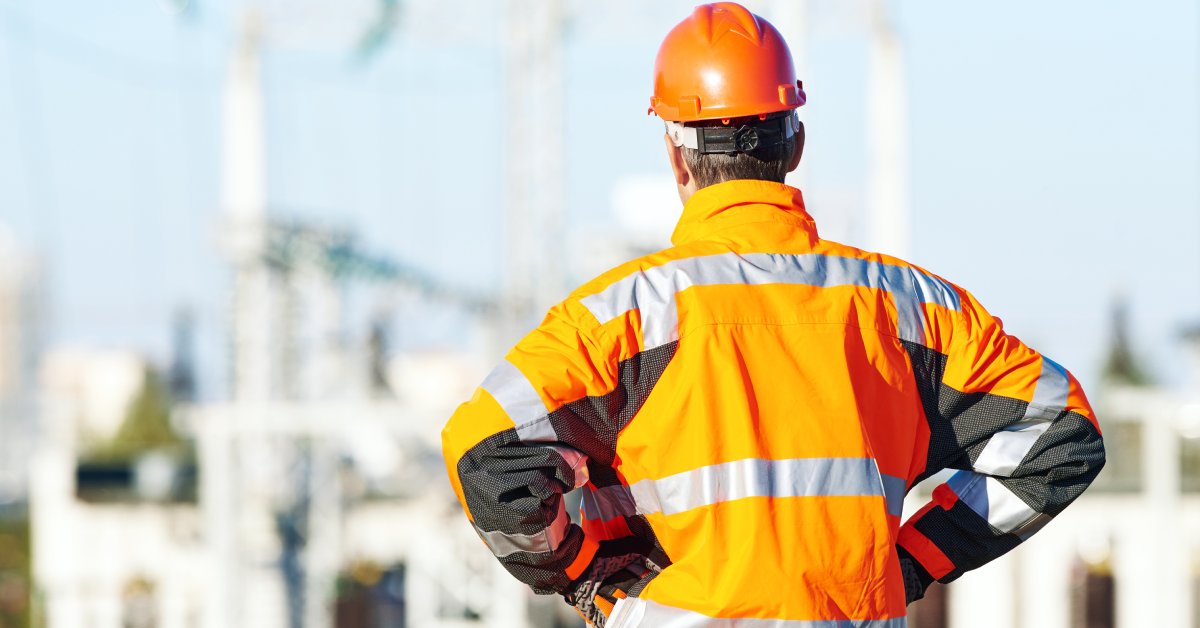
Each piece of FR clothing should conform to safety standards designed for your industry. For example, check whether the garment has been tested and classified for chemical resistance when seeking protection against chemicals. An NFPA 2112 (for flash fires) certification and other ratings for liquid exposure offer assurance that your clothing meets essential performance criteria.
Subpar materials or knockoff brands won’t just fail to protect you. They put you at greater risk by offering a false sense of security. Take the time to verify product labels, certifications, and independent reviews before making a purchase.
Find the Right Fit for You
A poorly fitted garment offers incomplete protection. FR clothing that is too loose leaves room for chemicals to seep through gaps. If it’s too tight, you risk discomfort that can hinder your movement and reaction time in emergencies.
Many FR garments come in a variety of fits to ensure you stay comfortable while remaining safe. Personalize your choice where possible, taking body measurements and considering layers for cold-weather environments. After all, your safety depends on what you wear and how well it integrates with your entire work routine.