Working in hazardous environments requires gear that protects you from multiple threats, including thermal risks. The CLO value measures how well flame-resistant (FR) clothing insulates, keeping you warm and safe. Understanding this value helps you choose the right FR garments for your work conditions. This guide will explain the CLO value of clothing for “flame-resistant clothes” to help you make informed decisions for your safety and comfort.
What Is CLO Value?
CLO value measures a garment’s thermal insulation properties. The term “CLO” comes from the word “clothing” and represents how much insulation a piece of clothing provides against heat loss. One CLO unit equals the thermal insulation needed to keep a person comfortable at rest in a room at 70 degrees Fahrenheit with 50 percent humidity and air movement of 20 feet per minute.
Think of CLO value as your clothing’s ability to trap warm air close to your body. Higher values indicate better insulation, which means the garment keeps you warmer. Lower values provide less insulation, making them suitable for warm conditions or when you need less thermal protection.
Several factors influence how CLO value works in practice. Your activity level affects how much body heat you generate. For instance, active workers produce more body heat and may need lower CLO values to avoid overheating. Outside temperatures also play a role, as cold environments require higher values for comfort. The number of clothing layers you wear impacts the CLO value of your outfit, since each layer adds insulation.
Your flame-resistant clothing’s CLO value determines whether you’ll stay comfortable during long work shifts while maintaining the fire protection you need.
Why Is CLO Value Important for Flame-Resistant Clothes?
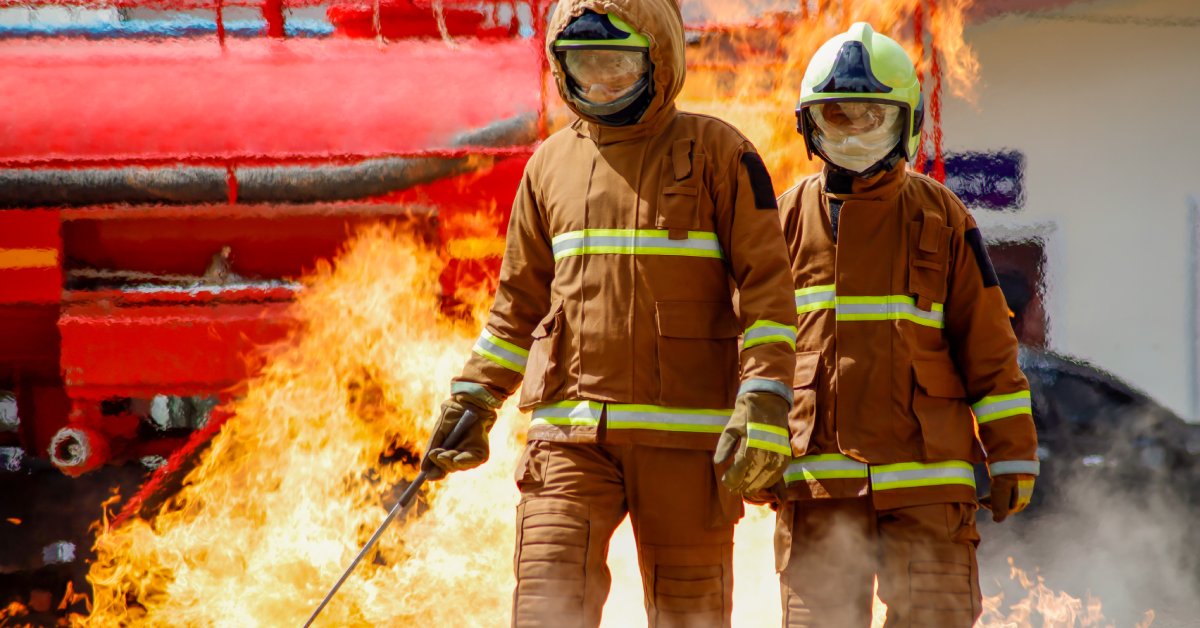
Flame-resistant clothing is your first line of defense against burns and thermal injuries. These garments resist ignition, slow flame spread, and self-extinguish after heat sources are removed. However, comfort matters, too. If FR garments are too warm, you might remove layers or leave them unfastened, compromising your safety. If they’re too cold, adding non-FR layers can reduce protection.
The CLO value helps you find suitable, comfortable clothing for your work environment. Outdoor workers in cold climates need higher CLO values for warmth, while indoor workers in heated spaces may prefer lower CLO values to avoid overheating. Choosing the right CLO level keeps you safe and comfortable while supporting productivity without risking your protection.
Factors Affecting CLO Value in FR Clothing
The fabric composition of flame-resistant clothing plays a major role in its CLO value, which measures thermal insulation. Cotton-based FR fabrics differ in insulation compared to synthetic blends or inherently flame-resistant materials, such as Nomex®.
Fabric weight and thickness also matter—heavy, thick fabrics generally provide great insulation by trapping air but may restrict mobility and comfort. Additionally, garment construction, such as quilting, layered designs, or specialized weaves, can enhance insulation, while strong seams and pockets contribute to performance.
Layering FR garments can increase the CLO value by creating insulating air spaces between layers, allowing you to adjust your thermal comfort while maintaining fire protection. Clothing that’s too tight compresses insulating air spaces, while loose garments let heat escape. A well-fitted FR garment ensures optimal insulation and protective performance while balancing safety and comfort.
Examples of FR Clothing and Their CLO Values
Flame-resistant garments offer varying CLO values depending on their type and use, helping you choose the right protection for your work environment. Here’s a quick breakdown:
- Lightweight FR shirts: CLO 0.2–0.4, ideal for warm conditions or as base layers.
- Standard FR pants: CLO 0.3–0.6, heavier fabrics for cooler weather, lighter blends for warmer climates.
- FR coveralls: CLO 0.5–0.8, full body coverage with added insulation from overlapping fabric.
- FR bib overalls: CLO 0.4–1.2+, extra torso protection with adjustable straps, great for reliable coverage.
- Insulated FR jackets/coats: CLO 1.0–2.5+, essential for cold outdoor work.
How To Choose FR Clothing With the Correct CLO Value
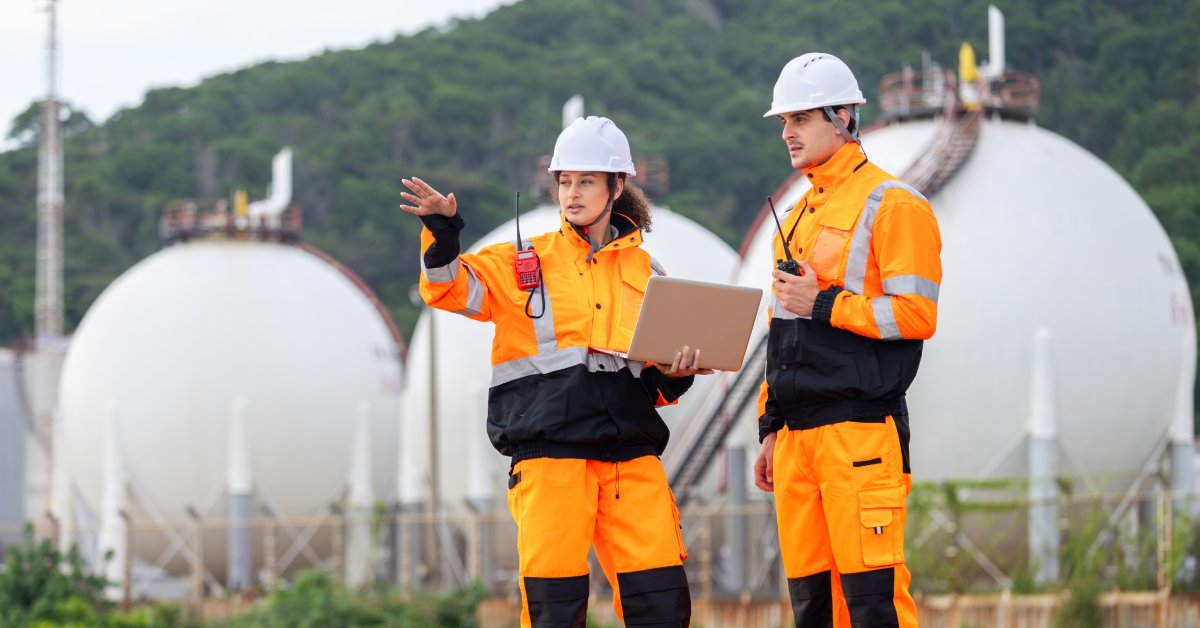
Evaluate your work environment and the thermal conditions you face, and consider temperature, wind, humidity, and seasonal changes. Active workers generate more body heat and may need flame-resistant clothing with low CLO values to prevent overheating, while sedentary workers or those in cold environments require higher CLO values for comfort. Layering is key—use compatible FR layers to adjust to changing conditions throughout the day or season.
Assess workplace hazards beyond fire exposure, such as arc flash risks, chemical resistance needs, or high-visibility requirements, which might affect your CLO value choices. Consult safety professionals, employers, or FR clothing manufacturers for tailored recommendations to ensure your selections meet safety standards. Testing different CLO combinations during trial periods can help you determine the best fit for your work conditions.
Care and maintenance are essential to preserve the flame-resistant properties and thermal insulation of your clothing. Follow manufacturer guidelines for washing and storage, and regularly inspect your garments for wear or damage that may compromise their performance. This ensures your clothing remains effective throughout its lifespan.
Protecting Yourself From Hazards
Understanding the CLO value of flame-resistant clothing can protect you throughout your workday. Learning how fabric composition, garment construction, layering, and fit affect thermal insulation helps you make informed decisions about your protective clothing.
Your safety depends on FR clothing that you can comfortably wear during your entire shift. When your protective garments have the right CLO value for your work environment, you avoid the temptation to modify or remove protection due to thermal discomfort.
Remember that CLO value is just one factor in selecting effective flame-resistant clothing. Your garments should meet the safety standards for your workplace and follow your employer’s guidelines for protective equipment. Take the time to evaluate your current FR clothing and consider whether the CLO values match your work environment and activity level. If you’re unsure about your thermal comfort needs, consult safety professionals.
Ready to upgrade your flame-resistant protection with better thermal comfort? Check out the extensive selection of flame-resistant coveralls at FR Outlet. Our garments come in various CLO values designed to keep you safe and comfortable in any work environment.