When your job involves exposure to fire hazards, your clothing becomes a critical layer of protection. There’s no room for compromise in environments where a split-second spark could lead to severe injuries.
Whether you work in oil fields, electrical utilities, or metal manufacturing, you’ve likely been told the importance of flame-resistant (FR) clothing. But have you ever wondered what makes it so effective? The secret lies in the materials.
Different materials contribute distinct properties to FR clothing. From natural fibers to advanced synthetics, each material brings unique strengths that protect you in high-risk environments. To make the right safety gear choices, you need to understand the materials that make FR clothing effective.
Wool
A natural fiber with impressive fire-resistant properties, wool plays a surprising role in FR apparel. Its protein structure requires an exceptionally high temperature to ignite, making it naturally non-flammable. It won’t melt, drip, or stick to the skin even when exposed to flames, reducing the risk of burn injuries. Wool’s insulating qualities also make it ideal for cooler work environments, creating fire-resistant pants or jackets that keep you warm.
Though rarely used as the sole fabric in FR clothing, wool is often blended with other fibers to boost performance. Its durability extends the lifespan of garments, while its moisture-wicking abilities ensure added comfort during long shifts.
Cotton
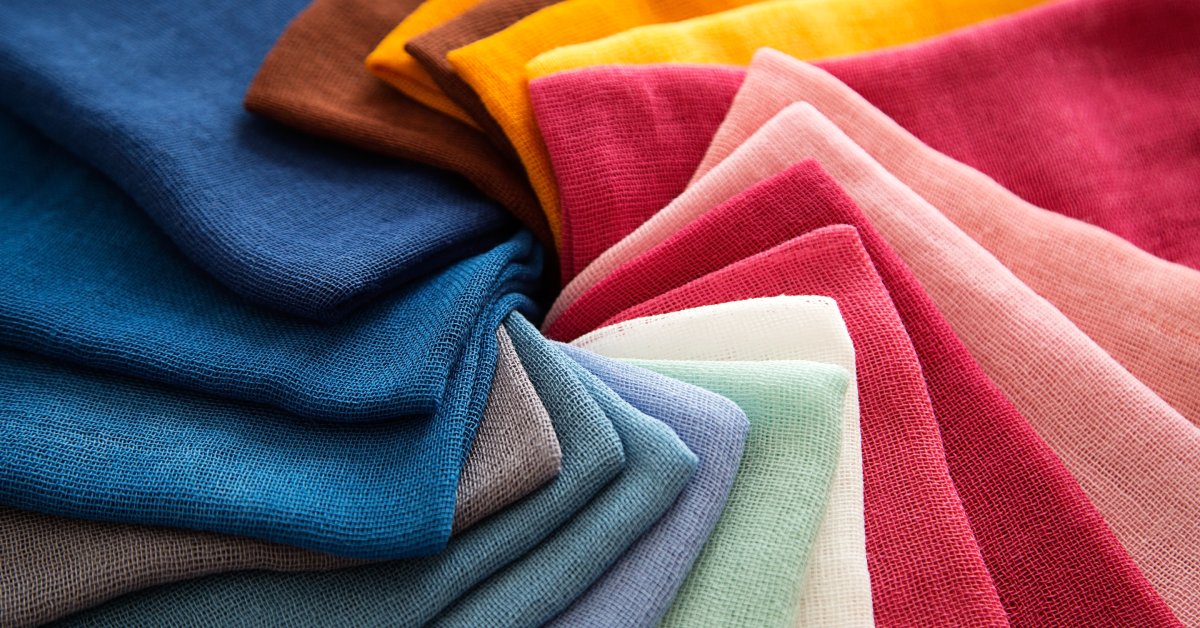
Cotton is another natural material that plays a foundational role in affordable and functional FR clothing. While untreated cotton burns easily, chemical processes transform this everyday fiber into a highly effective fire-resistant material. Treated cotton undergoes a process where flame-retardant chemicals bond with the fiber at a molecular level, significantly reducing its ignition rate.
What truly sets this material apart in FR clothing is its breathability and softness. Comfort is essential when wearing safety clothing for long periods, and cotton allows air circulation to minimize heat stress while being gentle on the skin. Its high absorbency also makes it ideal for managing sweat and body temperature in demanding work environments.
Nylon
A synthetic fiber widely used in FR clothing, nylon has become a go-to material for its lightweight yet highly durable properties. When enhanced with flame-retardant coatings, it provides excellent fire resistance while remaining flexible and tough.
Nylon is also highly resistant to abrasion, making it ideal for jobs involving heavy manual labor. Unlike natural fibers, it doesn’t absorb moisture, keeping you dry in wet conditions. By blending nylon with other fibers, manufacturers can craft FR fabrics that deliver a perfect mix of safety, durability, and comfort.
Polyester
Polyester resists shrinking or stretching under high temperatures thanks to its synthetic structure, making it a reliable choice for FR clothing. When treated with fire-resistant finishes, it can delay ignition and quickly self-extinguish when exposed to flames.
Its true strength lies in its versatility. Polyester blends seamlessly with other fibers to create durable fabrics designed for harsh environments. Lightweight and fast-drying, it’s a lifesaver during long shifts.
Aramid Fibers
These high-performance synthetic fibers are a significant proportion of the materials that make FR clothing effective. They are inherently flame-resistant and don’t require chemical treatments to enhance fire resistance. Their complex molecular structure provides exceptional resistance to heat and abrasion.
Aramids perform exceptionally well under extreme conditions. They char instead of melting when exposed to heat, reducing the risk of burn injuries. Lightweight yet incredibly strong, they deliver maximum protection without compromising mobility or comfort, making them ideal for industrial workers.
Nomex
Nomex is a specific type of aramid fiber that has become a household name in FR clothing. Widely used by firefighters, electricians, and oilfield workers, it is prized for its exceptional heat resistance. It withstands flash fire and arc flash incidents, making it invaluable in high-risk industries.
Beyond protection, Nomex offers breathability, ensuring comfort even in hot environments. Its durability means it retains its protective qualities over time, even after repeated washes.
Kevlar
Kevlar is another member of the aramid family and is synonymous with strength. While it’s better known for its role in bulletproof vests, Kevlar also contributes significantly to FR clothing. It reinforces fabrics, adding resistance to cuts and tears, which can be lifesaving in harsh work environments.
Kevlar’s ability to resist extreme temperatures ensures it won’t degrade when exposed to flames. Combined with its lightweight nature, it’s a favorite among workers requiring heavy-duty FR clothing without the bulk. If your job demands gear that’s tough as nails, Kevlar has your back.
Modacrylic
A synthetic fiber designed for fire resistance, modacrylic has the unique ability to self-extinguish once a flame source is removed. This feature minimizes the likelihood of an accident escalating into a severe burn injury.
Its softness and flexibility make modacrylic ideal for blending with other fibers, creating FR clothing that’s effective and comfortable for long hours. Modacrylic also maintains its shape well, surviving multiple washes without losing its protective qualities.
Flame Resistant Synthetic Blends
When materials work together, they produce some of the most effective FR clothing on the market. Flame-resistant synthetic blends combine fibers like cotton, nylon, and polyester to give you the best of all worlds. These blends maximize the benefits of each component, providing durability, comfort, and flame resistance in one fabric.
For example, blending treated cotton with nylon gives you the breathable feel of cotton with the toughness and quick-drying properties of nylon. Similarly, polyester-based blends can increase moisture resistance, extending wearability during strenuous tasks.
Fire Resistant Coatings
For fabrics that aren't fire-resistant on their own, coatings can play a crucial role. Fire-resistant coatings create physical barriers that delay the spread of flames and prevent heat from penetrating the material.
Coated fabrics excel in demanding environments, offering extra protection against arc flashes or molten metal splashes. For workers exposed to these hazards, the coating acts like a shield, working alongside the fabric’s natural properties to give you multiple layers of protection when every second counts.
Get FR Clothing Made With the Right Stuff
The materials used to craft your flame-resistant pants, shirts, and jackets truly matter. Whether it’s the breathability of cotton, the strength of Kevlar, or the advanced engineering of Nomex, each material plays a critical role in your safety.
Here at FR Outlet, we have top-quality FR clothing made with the industry’s most trusted materials. Our expert-curated collection ensures you get the right gear for the job, every time. Don’t leave your safety to chance. Explore our full range of FR clothing today and work confidently, knowing you’re protected.