When you walk into a high-risk work environment, every piece of gear you wear could mean the difference between staying safe and getting seriously injured. You know that OSHA plays an essential role in making sure workplaces prioritize safety, but does that extend to your work boots? Does OSHA require footwear to be fire resistant?
Understanding workplace safety regulations can be a maze of technical details, and footwear safety is no exception. You might follow the rules about wearing flame-resistant (FR) shirts and lined jackets, but you still need answers about whether your boots or other shoes need to meet the same fire-resistant standards. Let's explore the topic in detail.
OSHA Work Clothing Requirements
OSHA, the Occupational Safety and Health Administration, exists to ensure workers like you stay safe on the job. That means enforcing regulations for everything from workplace hazards to what you wear. When your job involves potential danger, OSHA requires specialized safety gear to minimize risks.
Fire-Resistant Gear
For the oil and gas, welding, or electrical industries, OSHA mandates fire-resistant clothing to protect you from life-threatening burns. Flame-resistant shirts, pants, coveralls, and jackets shield workers from hazards such as arc flashes, flash fires, and explosions. But you might wonder whether the mandate for fire resistance extends all the way down to your boots.
Protective Footwear
OSHA does not require footwear to be fire resistant, but it does require protective footwear to shield workers from potential risks.
For example, OSHA mandates that workers wear safety boots complying with ASTM (American Society for Testing and Materials) standards if you face the risk of foot injuries on the job. That includes heavy falling objects, sharp materials, and exposure to dangerous substances such as chemicals or corrosive agents.
For optimal protection, these boots often come equipped with steel or composite toes, slip resistance, and electrical hazard resistance. Some manufacturers also go the extra mile by incorporating fire resistance into their designs. This additional feature, while not always mandatory, proves especially useful in fire-prone industries.
Best Footwear Features for Industrial Jobs
Because OSHA standards require footwear that minimizes worksite risks, your boots must incorporate key protective features. Whether you’re in construction, manufacturing, or firefighting, having the right qualities in your shoes ensures you work safely and comfortably through grueling shifts.
Slip Resistance
Industrial workplaces often feature slippery surfaces caused by spills, moisture, grease, or oil, making slip resistance a crucial feature in work boots. Nonslip soles with advanced traction designs improve your stability and help prevent dangerous falls.
Whether you’re navigating wet floors in a manufacturing plant or oily surfaces at a worksite, boots with excellent grip ensure your safety, boost your confidence, and keep your productivity on track.
Comfortable Cushioning
Industrial jobs demand long hours of standing, walking, lifting, or climbing. Without proper cushioning, these tasks can lead to sore feet, joint pain, and chronic injuries over time.
Boots with shock-absorbing midsoles, supportive arches, and well-padded insoles help distribute your weight evenly and reduce strain on your feet and joints. This can make a world of difference during long shifts, ensuring your comfort and health while allowing you to focus on your job.
Durability
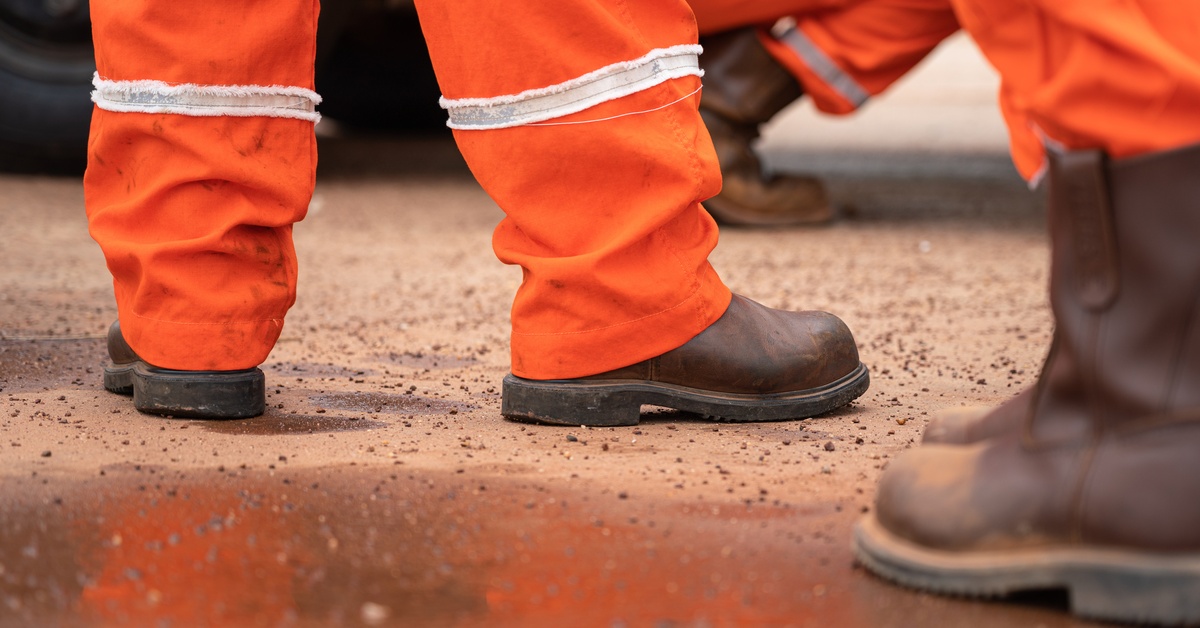
Your work environment doesn’t go easy on your footwear, so flimsy boots simply won’t cut it. Industrial boots built with durable materials such as high-quality leather, rubber, or composite fabrics can endure harsh conditions.
From heavy impacts and rugged terrains to exposure to chemicals, water, or extreme temperatures, your boots need to be able to take a beating and last. Investing in durable boots saves you the hassle and expense of frequent replacements while ensuring you can handle any challenge the job throws your way.
Steel Toes
The risk of heavy objects falling or rolling onto your feet is a constant concern in many industrial environments, which is why steel-toe boots are a must-have. These boots feature reinforced toe caps made from steel or composite materials, providing critical protection against impact or compression injuries.
OSHA standards emphasize the importance of steel toes in jobs where these risks are present, such as construction sites or warehouses. Beyond safety, steel toes give you peace of mind, allowing you to work confidently knowing your feet are protected at all times. When it comes to industrial footwear, a solid steel toe is one of the most essential features you can have.
Fire Resistance
Boots with heat-resistant soles and uppers provide a critical layer of defense against welding sparks, open flames, and intense heat exposure. This feature is especially vital for welders, firefighters, and other professionals who regularly face extreme temperatures. Fire-resistant footwear not only protects your feet but also ensures you can work safely and confidently in the toughest conditions.
Benefits of Fire-Resistant Shoes
Looking beyond regulations, opting for fire-resistant boots adds several layers of value to both your work and personal well-being. Beyond complying with OSHA or industry standards, fire-resistant footwear makes your job safer and more efficient.
Compliance With Regulations
Even if OSHA doesn’t explicitly mandate fireproof footwear, workplaces with heightened fire risks may include it in their company policies. Staying on the right side of these internal guidelines ensures you're compliant and protects you from potential liability. Plus, demonstrating an eagerness to meet or exceed safety standards reflects well on you as a committed professional.
Increased Productivity
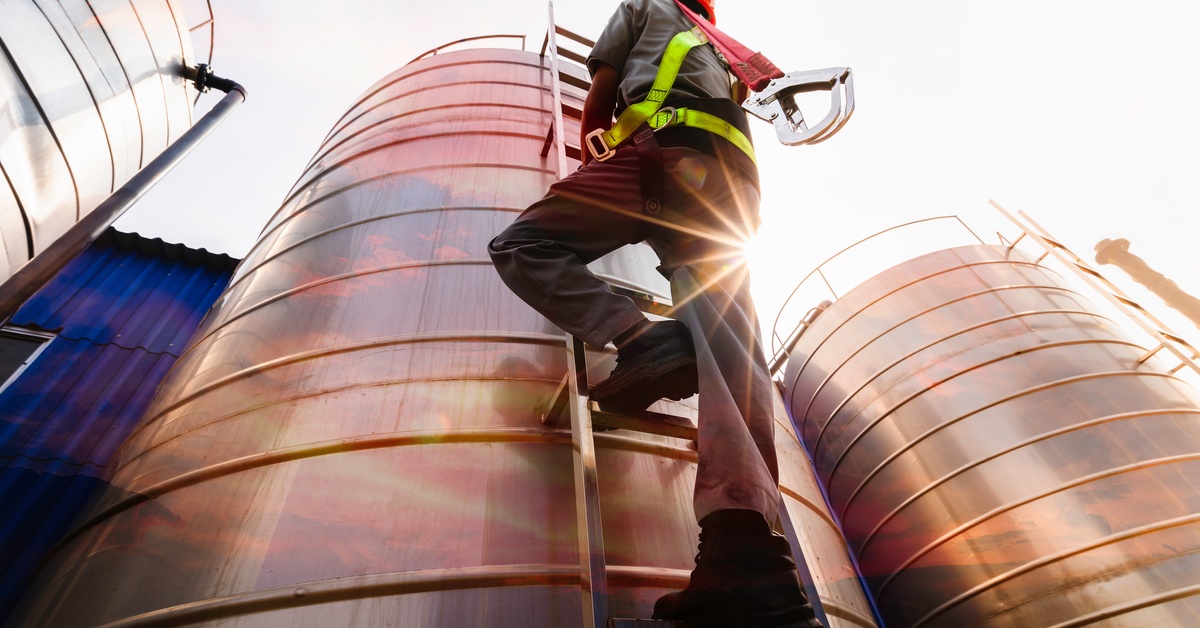
When you don’t have to worry about your safety gear failing, you can tackle your work more effectively. Fire-resistant boots allow you to focus on your tasks instead of potential hazards lurking on-site. Knowing your footwear can handle extreme conditions increases your confidence, letting you work efficiently without hesitation.
Choose the Right Footwear for the Job
While OSHA may not require you to wear fire-resistant footwear, doing so could mean the difference between avoiding accidents and sustaining injuries. Protective features such fire resistance ensure you come home safe even after working in the toughest conditions.
Pair high-quality boots with FR clothes to add a crucial layer of protection. If you're ready to upgrade your workwear and ensure you're safely covered head to toe, start by exploring the premium boots and FR clothes at FR Outlet today.