Flame-resistant (FR) fabrics play an essential role in ensuring the safety of workers in hazardous environments. From oil rigs to manufacturing plants, these materials can reduce fire-related injuries and fatalities by resisting ignition and minimizing fire spread. However, not all FR fabrics are the same. Each has unique advantages and limitations that make them suitable for specific applications. Before making a choice on which FR material to purchase, be aware of the pros and cons of different flame-resistant fabrics to ensure you are making informed decisions.
Cotton-Based Flame-Resistant Fabrics
Cotton-based FR fabrics are popular in industries where workers face occasional exposure to fire or heat hazards. Treated with chemical finishes, these fabrics offer excellent flame resistance while maintaining the comfort and breathability of conventional cotton clothing. Their softness and lightweight nature make them popular for all-day wear, especially in industrial settings like welding or metalwork.
The main advantage of cotton-based FR fabrics is their affordability and accessibility. They are cost-effective compared to some synthetic alternatives, making them a great choice for companies needing to outfit large teams. Their breathability ensures workers remain comfortable during high-stress tasks in warm environments.
However, these fabrics do have limitations. Cotton-based FR garments tend to wear out faster than some synthetic materials, meaning they require more frequent replacements. Their flame-resistant properties can also diminish over time if they are not properly cared for or washed according to guidelines. They may also offer less heat protection compared to thicker, inherently flame-resistant fabrics.
Aramid Fabrics
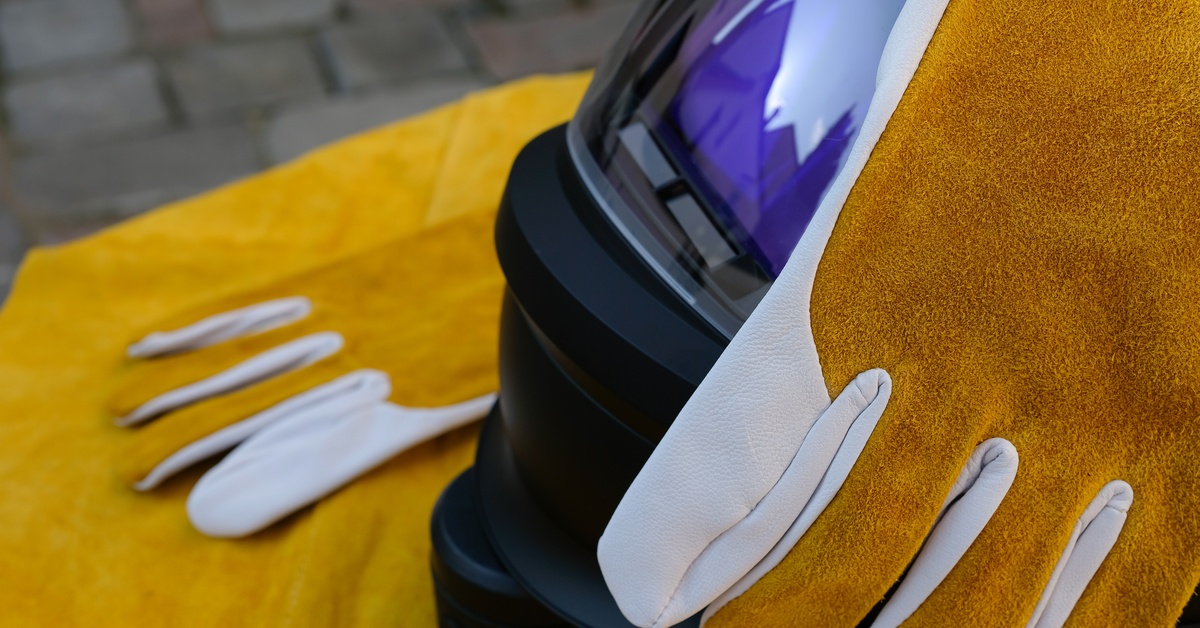
Aramid fabrics, such as Nomex, are a leading choice when it comes to high-performance flame resistance. These inherently flame-resistant fibers are not chemically treated but are instead designed at the molecular level to resist ignition and withstand extreme heat. Industries like firefighting, aerospace, and military applications often rely on aramid fabrics for their exceptional thermal protection and durability.
One of the most significant advantages of aramid fabrics is their ability to maintain their FR properties for the life of the garment. Unlike chemically treated options, aramids do not lose effectiveness after multiple washes. They offer excellent tensile strength and resistance to wear and tear, making them highly durable in demanding environments. Aramid garments are lightweight and flexible, providing wearers with both protection and mobility.
Despite their advantages, aramid fabrics can be expensive, potentially limiting their use in industries with tight budgets. They also tend to offer less comfort compared to cotton-based fabrics; they can feel stiffer and less breathable, especially during extended use. This trade-off between comfort and performance must be carefully considered when choosing aramid materials.
Modacrylic Fabrics
Modacrylic fabrics are inherently flame-resistant synthetic materials that manufacturers often blend with other fibers to enhance performance. These fabrics offer a good balance of comfort, protection, and affordability. They are often used to create garments for utility workers, oil and gas personnel, and electricians.
A key advantage of modacrylic fabrics is their versatility; they can be blended with other fibers like cotton to enhance comfort while maintaining flame resistance. Modacrylic blends are soft, lightweight, and resistant to shrinkage, making them ideal for industries requiring long shifts in protective clothing. Their ability to self-extinguish when exposed to flames also ensures a higher degree of safety for the wearer.
However, modacrylic fabrics are not as durable as some other FR materials, such as aramids. While they may provide comfort and affordability, they can wear out faster in physically demanding environments, leading to more frequent replacements. Their flame resistance may not match the extreme performance of aramid-based garments, making them less suitable for high-intensity fire hazards.
Polybenzimidazole (PBI) Fabrics
Polybenzimidazole (PBI) fabrics are among the most advanced flame-resistant materials available. They commonly see use in extreme environments, such as firefighting and aerospace applications. PBI fabrics offer unparalleled thermal stability and protection from heat and flames. They are often blended with other high-performance fibers to create garments that can endure the most hazardous conditions.
The primary advantage of PBI fabrics is their superior thermal protection. They can withstand very high temperatures without charring, shrinking, or breaking down, even in prolonged exposure. This makes them a reliable choice for environments where life-threatening heat and flames are a constant threat. PBI fabrics are highly durable and resistant to wear, ensuring long-lasting performance.
The main downside of PBI fabrics is their cost. As a premium material, PBI tends to be significantly more expensive than other FR options. This cost may be prohibitive for companies or organizations with limited budgets, which often limits their use to highly specialized settings. While PBI fabrics provide excellent protection, their stiffness can make them less comfortable than other materials, particularly in extended use applications.
Blended Fabrics
Blended FR fabrics combine the strengths of multiple fibers to create garments with balanced properties. For example, cotton may be blended with modacrylic or aramid fibers to achieve a mix of comfort, durability, and flame resistance. Blends are excellent for industries seeking tailored solutions, as they allow manufacturers to meet specific requirements for thermal protection, breathability, and affordability.
The primary advantage of blended fabrics is their versatility. By carefully selecting the right combination of fibers, manufacturers can optimize garments to suit various environments and worker needs. Blended fabrics also tend to be more cost-effective than high-performance materials like aramid or PBI are on their own, making protective clothing more accessible without sacrificing functionality.
However, the disadvantages of blended fabrics often depend on the specific combination of fibers used in their construction. For instance, some blends may not offer the same level of durability as pure aramid garments, and others may lose FR properties more quickly with frequent washing. It is essential to understand the composition and intended use of a blended fabric to ensure it meets the necessary safety standards for a given application.
Choosing the Right Fabric for Your Needs
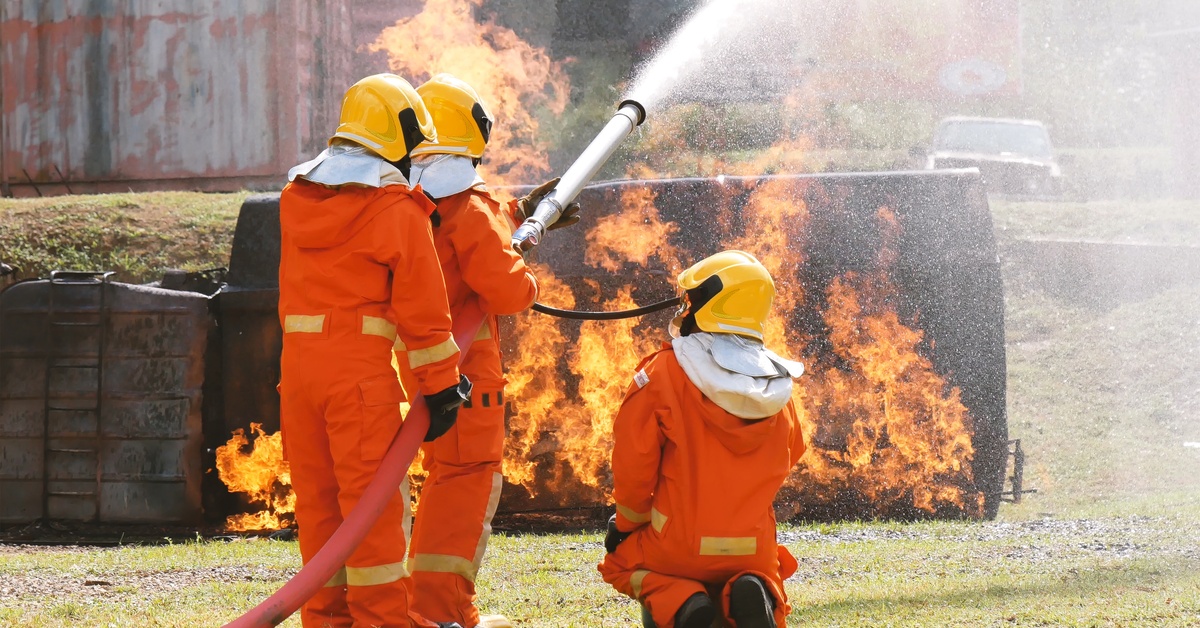
Selecting the right flame-resistant fabric depends on several factors, including the industry, hazard type, budget, and worker comfort. Each material has unique strengths that make it suitable for specific applications, but they also come with drawbacks that you must take into account. Cotton-based fabrics work well for low-risk environments where affordability and comfort are key, while aramid and PBI fabrics shine in high-risk, high-performance scenarios. Modacrylic blends offer a middle ground, balancing protection and affordability, while customized blends provide tailored solutions for specialized needs. Whatever your needs may be, just be aware of the pros and cons of different flame-resistant materials and keep yourself safe.
If you require a wide range of flame-resistant clothing, FR Outlet can provide you with top-quality products that will meet your needs. Whether you need FR sweatshirts or other similar products, we’re happy to connect you with the specific clothing that you need.